Crocodile Gold: The Rise of Kenya’s Booming Crocodile Farming Industry.
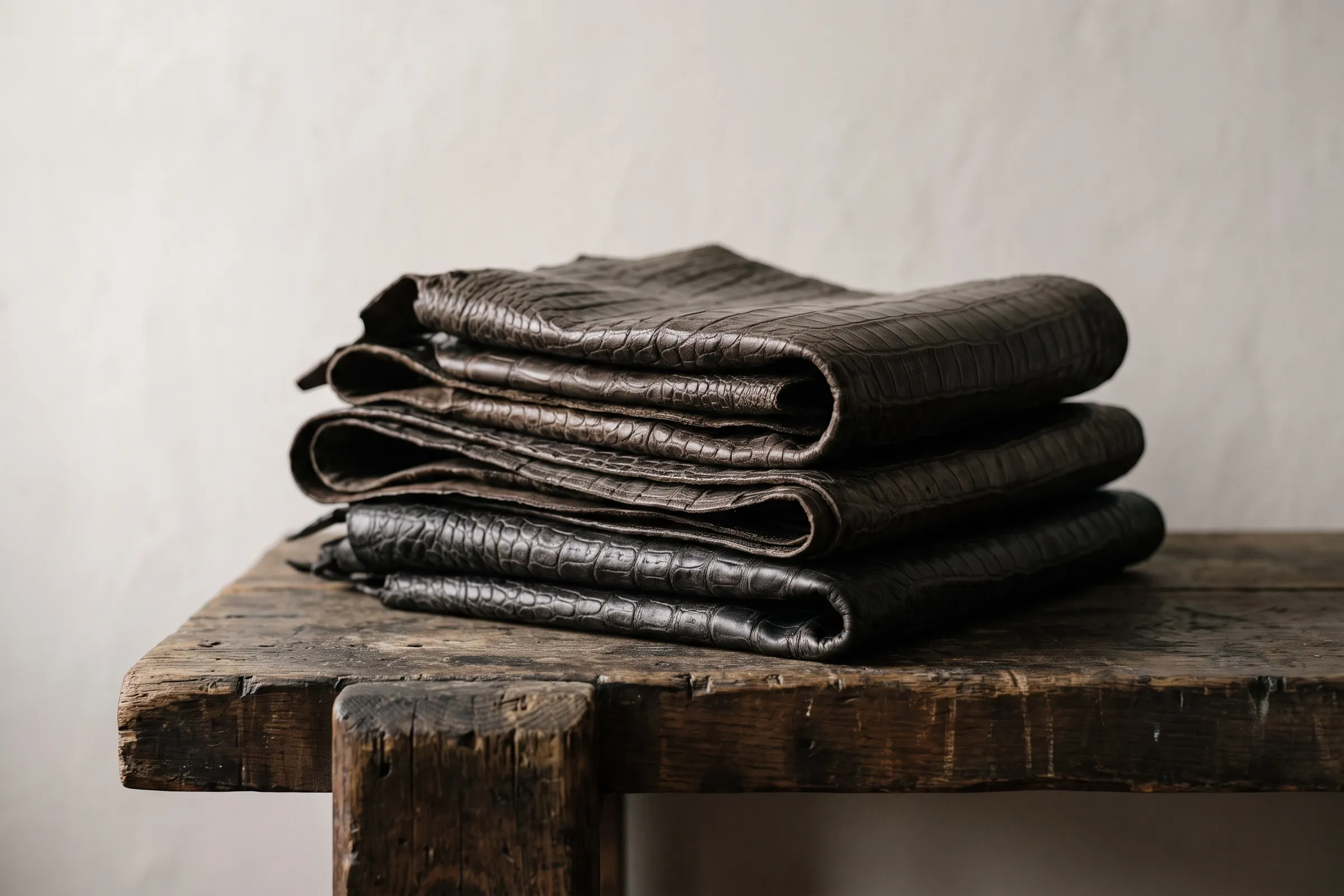
Welcome to the world of crocodile farming, a booming industry changing the global luxury leather market. In Kenya, this business is profitable and meets the demand for exotic crocodile leather and delicious meat prized worldwide.
A Booming Industry in East Africa
In Kitui County, 180 kilometers from Nairobi, Collins Mueke runs one of Kenya’s largest crocodile farms. It houses over 33,000 Nile crocodiles. These crocodiles, known for their size and strength, are a key source of luxury leather.
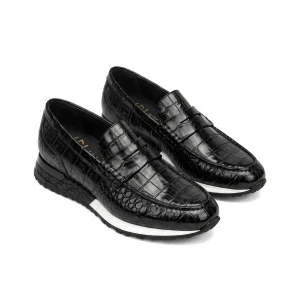
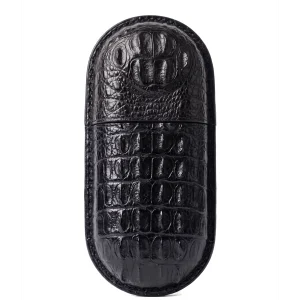
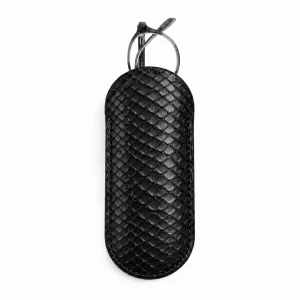
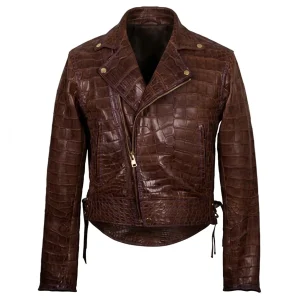
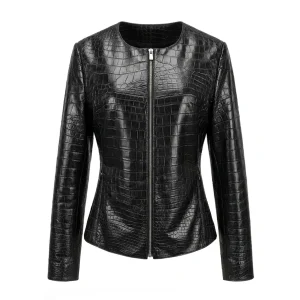
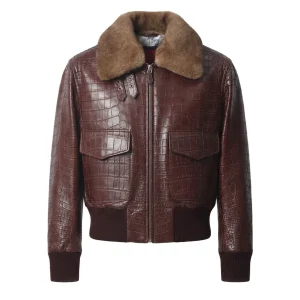
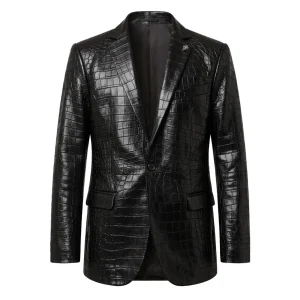
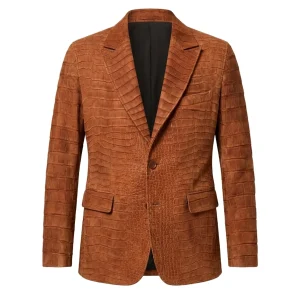
Despite their aggressive nature, the meat and leather make farming profitable. Demand is rising for premium crocodile leather products like luxury shoes, handbags, belts, and accessories. To see these items, visit our shop.
Strong Global Demand, Especially from Asia
Much of the crocodile leather and meat exports go to China, Hong Kong, and Taiwan. There, the meat is a delicacy, and the hides become high-fashion goods. In Kenya, luxury restaurants also serve crocodile meat, which many say tastes like chicken.
Each crocodile can generate about $50 to $69 USD in meat sales. The crocodile hide, used in items like designer shoes, handcrafted bags, and exotic belts, can add another $25 USD to each animal’s value.
Looking for Authentic Crocodile Leather Products?
At Giuseppe Lombardi, we specialize in luxury leather goods made from real crocodile skin. Our collection of exotic shoes, belts, and handbags combines traditional craftsmanship with top materials, offering timeless elegance and bold style. See our latest creations by visiting new arrivals.
Profit Potential with High Risks
Collins Mueke says his farm slaughters about 3,000 crocodiles per year, achieving profit margins over 100%. “It’s a high-investment business, but the returns are worth it,” he says. However, the risks are high.
The 246 staff members work in enclosures with land and water. Daily tasks such as feeding, egg collection, and slaughtering require extreme caution. Accidents, including serious injuries and even loss of limbs, are a reality in this dangerous work.
Hygiene, Health, and Monitoring Are Critical
Dr. Odhiambo Ojamong, a local vet, stresses the need for strict hygiene and health checks. One major threat is crocodile pox, a deadly disease with no vaccine. Early detection of illness or injury is crucial for keeping stock healthy.
A Rapidly Expanding Market
With annual growth rates of 22%, crocodile farming is thriving in Africa, led by South Africa, Zambia, Zimbabwe, and Kenya. Exports mainly go to Asia and the Middle East, where luxury crocodile leather is in high demand.
In Kenya, there are 21 licensed crocodile farms, and over 60 new applications await approval. According to the Kenya Wildlife Service, the Nile crocodile is not endangered, so the practice poses no environmental risk.
High Start-Up Costs, But Strong ROI
Starting a crocodile farm costs about $500,000 USD for land, facilities, and breeding stock. Yet, insiders agree the returns far outweigh the initial costs, especially as global demand for premium exotic leather keeps rising.
Luxury That Tells a Story
Crocodile farming in Kenya highlights entrepreneurship, sustainability, and global fashion. As this industry grows, it fuels the production of some of the world’s most sought-after leather goods.
At Giuseppe Lombardi, we honor the artistry behind each piece. Our luxury crocodile leather shoes, handbags, and belts are crafted to perfection, bringing the spirit of the wild into high fashion.
Giuseppe Lombardi · The Journal
 The Carbon Footprint of Exotic Leather vs Synthetic Alternatives
 Is Exotic Leather Ethical? The Honest Answer
 Exotic Animal Farming for Luxury Leather: Everything You Need to Know