Exotic Animal Farming for Luxury Leather: Everything You Need to Know
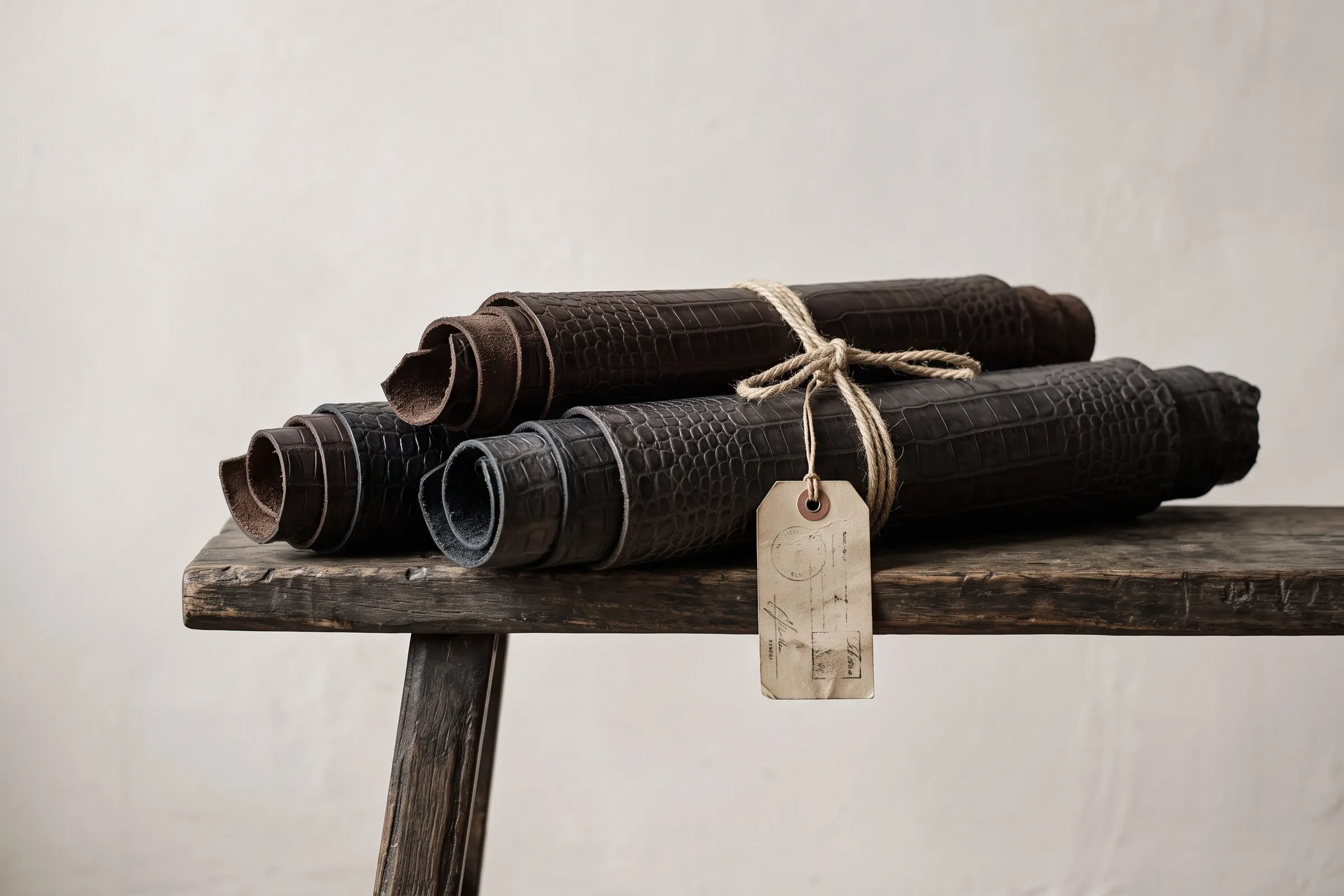
The luxury leather industry relies on farms raising exotic animals under strict rules. These farms are well-managed, surprising many critics. Understanding this process is key for buyers of exotic leather goods. It’s a story of skill, patience, and conservation, not exploitation.
Why Farm Exotic Animals?
The reason is simple: conservation. Before regulated farming, uncontrolled hunting for luxury goods harmed wild populations of crocodiles, pythons, and lizards, pushing some species towards extinction. The creation of CITES, the Convention on International Trade in Endangered Species, in 1975 changed this.
Farming creates a sustainable, traceable supply chain that eases pressure on wild populations. Today, certified farms don’t just replace wild hunting; they support wildlife protection programs, habitat preservation, and anti-poaching efforts. In many areas, conservation economics rely on this system.
The Benefits of Ethical Exotic Animal Farming
Farming exotic animals for leather benefits more than just the luxury market. It directly protects wild populations. When there’s a legal, regulated supply of exotic leather, the incentive to poach wild animals disappears. In Zimbabwe, South Africa, and Louisiana, crocodile and alligator farming has helped wild populations recover. The Nile crocodile, once endangered, now thrives where farming is established.
Habitats are preserved because they have economic value. Governments and local communities benefiting from exotic leather farming have a financial reason to protect natural habitats. Without this, habitat destruction for agriculture or development becomes more likely.
Farms advance scientific knowledge. They generate valuable data on the biology, reproduction, and health of species hard to study in the wild. Veterinary protocols developed on farms aid conservation medicine and wildlife management.
Local communities benefit. In biodiverse regions, exotic leather farming offers stable jobs and income, reducing reliance on subsistence hunting or habitat clearance. Economic development and conservation align, rather than oppose each other.
Crocodile and Alligator: The Aristocrats of the Farm
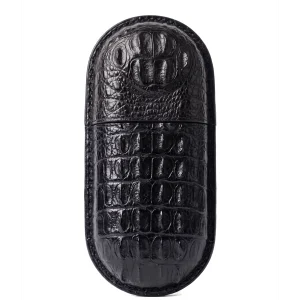
Crocodiles and alligators are among the most demanding animals to farm. They need precise temperature control, special nutrition, and carefully managed social environments. A crocodile farm resembles a research facility more than a cattle ranch, with every variable monitored and adjusted daily.
Eggs are collected from wild nests or captive breeding pairs and incubated at controlled temperatures. The incubation temperature determines the sex of the hatchlings, a factor farm managers must manage precisely.
Hatchlings grow in climate-controlled pools at water temperatures between 30 and 32 degrees Celsius, optimal for healthy growth. They are grouped by size to prevent aggression and stress.
Nile crocodiles, farmed mainly in Zimbabwe, South Africa, and Madagascar, typically reach harvest size in two to three years, measuring 1.5 to 1.8 meters. American alligators, farmed in Louisiana and Florida under strict regulations, follow a timeline of two to four years. At harvest, skilled technicians remove the prized belly skin with precision, salt, grade, and send it to specialist tanneries.
The Impact on Wild Crocodilian Populations
Farming has significantly impacted wild crocodilian populations. In Louisiana, the American alligator population rose from fewer than 100,000 in the 1960s to an estimated five million today. Farming and regulated wild harvesting are credited for this recovery, a major conservation success made possible by the luxury leather industry.
Ostrich: The Most Resource-Efficient Exotic Leather
Ostriches are unique among exotic leather animals. Farming them yields leather, feathers, and meat, making them resource-efficient in the luxury supply chain.
Ostrich farming thrives in South Africa’s Karoo region, producing most of the world’s commercial ostrich leather. Birds are raised on open farms, fed a mix of lucerne, grain, and specialized pellets.
Ostriches reach slaughter weight in 10 to 14 months, weighing 90 to 130 kilograms. The prized leather comes from the central back panel, where feather follicles create the distinctive pattern. A single ostrich produces a small panel of this prime leather, adding to its value.
Since ostriches are not endangered and are farmed in conditions supporting natural behavior, ostrich leather carries a low conservation risk profile. To explore more about our ethical practices and to find the perfect piece, visit our Shop.
Python: Farmed Across Southeast Asia
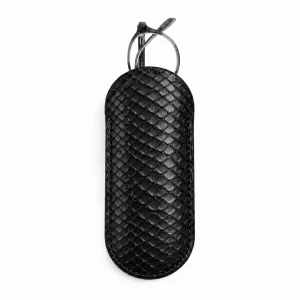
Python farming is concentrated in Vietnam, Indonesia, and Thailand, where reticulated and Burmese pythons are bred in special facilities. Pythons are housed individually and fed weekly. Temperature and humidity are controlled to mimic their native tropical environment.
Pythons reach harvest size, between 2.5 and 4 meters, in 18 to 24 months. Their rapid growth rate makes them commercially efficient, and their simple care needs allow farming in rural communities with modest infrastructure.
Farming has significantly reduced pressure on wild python populations. In regions where farming is established, communities that once relied on wild capture now have a stable, legal alternative.
Lizard: Small Scale, High Precision
Monitor lizards, particularly the water monitor, form the basis of the luxury lizard leather trade, farmed mainly in Indonesia and Malaysia. Raised in humid tropical enclosures and fed fish, insects, and meat, they reach harvest size in 12 to 18 months.
The small size of each hide means a single accessory may need multiple skins, adding to the material’s value and precision in cutting. The tight, regular scale pattern defining fine lizard leather requires careful farm management, as wild-caught animals often have skin damage from parasites and injuries.
Stingray: A Byproduct of the Food Industry
Stingray leather is unique; it’s not farmed commercially at scale. The hides used in luxury goods come mainly as a byproduct of the food fishing industry in Southeast Asia, where stingrays are caught for consumption, and the skins, which would otherwise be discarded, are processed for leather.
This byproduct model makes stingray one of the most sustainable exotic leathers. The leather industry ensures nothing goes to waste, a principle Giuseppe Lombardi applies across every material it uses.
From Farm to Atelier: The Full Journey
Every hide undergoes a rigorous process before reaching the atelier. After harvest, hides are salted and transported to specialist tanneries in France, Italy, and Japan, where they are cleaned, tanned, dyed, and finished. Only then does the hide arrive at a place like the Giuseppe Lombardi atelier, where it’s inspected before use.
The entire process, from egg to finished accessory, may span three to four years. It’s not a fast industry but a patient one, and this patience makes the result worth having. For those curious about our heritage and commitment, visit Our Story.
Conscious Luxury Begins With Knowledge
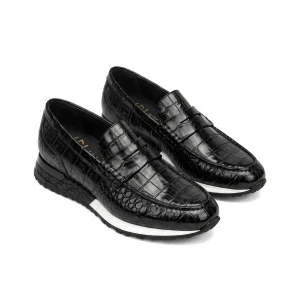
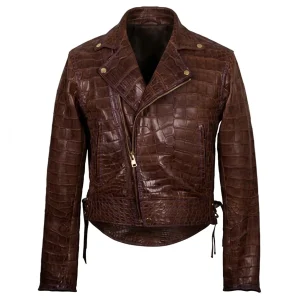
Understanding where exotic leather comes from and the rigorous standards governing its production transforms the experience of owning it. A Giuseppe Lombardi crocodile bag is not just a beautiful object. It represents years of careful animal husbandry, expert tanning, and meticulous craftsmanship, produced within international regulations designed to protect the species it relies on.
Choosing exotic leather from a responsible house means you don’t choose between luxury and conscience. You choose both, contributing to the conservation of some of the world’s most extraordinary animals.
Giuseppe Lombardi · The Journal
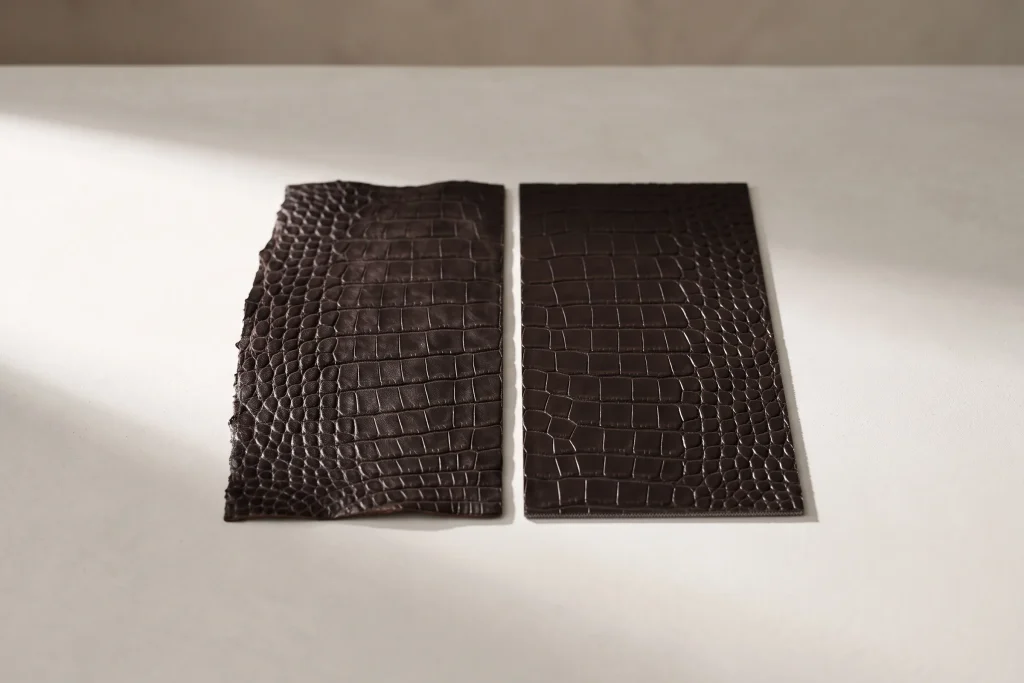 The Carbon Footprint of Exotic Leather vs Synthetic Alternatives
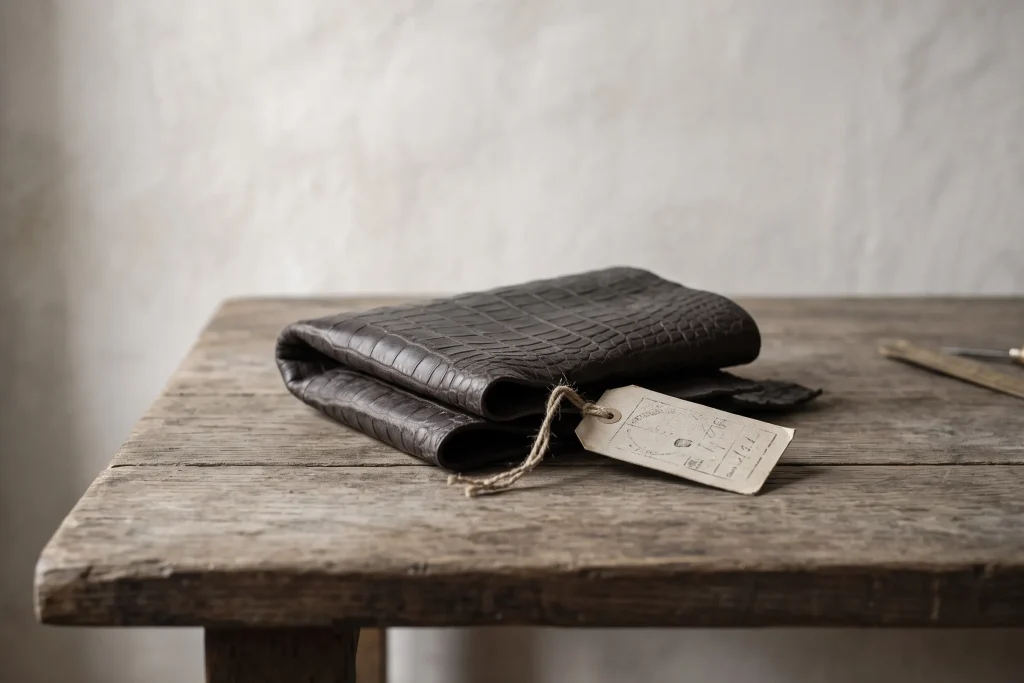 Is Exotic Leather Ethical? The Honest Answer
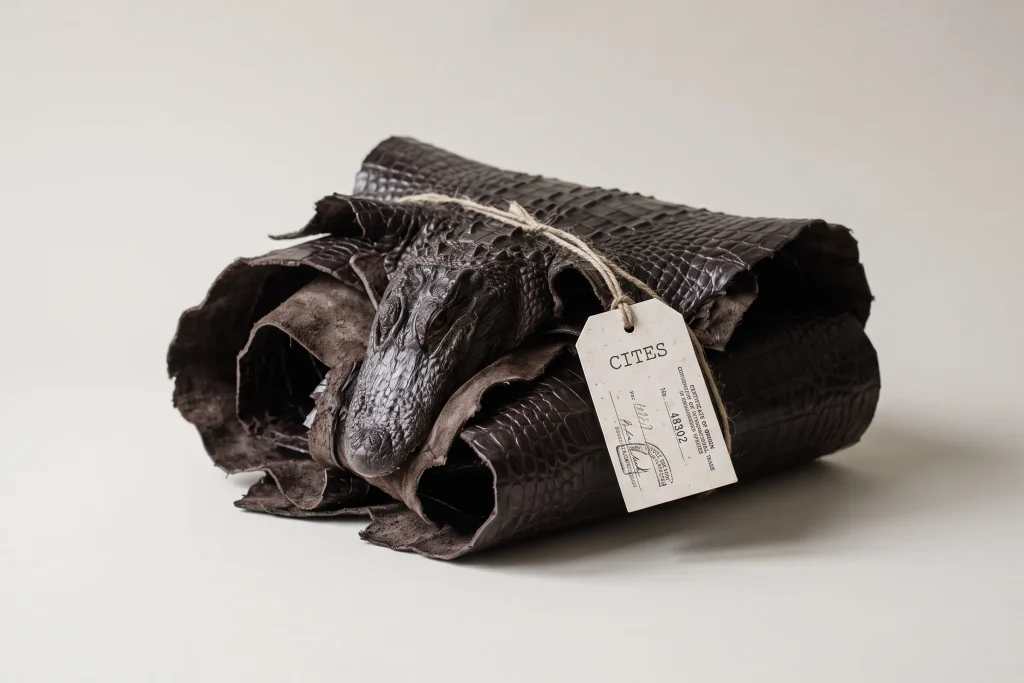 How We Balance Elegance and Environmental Responsibility