Is Exotic Leather Ethical? The Honest Answer

Every buyer of exotic leather eventually asks the same question. It deserves an honest answer. Not a defensive one, but one that explains a complex topic.
The Short Answer
Exotic leather from certified farms and responsible brands following CITES rules is among the more ethical luxury materials. It’s not perfect. No luxury supply chain is. However, it is more transparent and regulated than many realize. It is also more environmentally friendly than many synthetic options.
The Longer Answer: What CITES Does
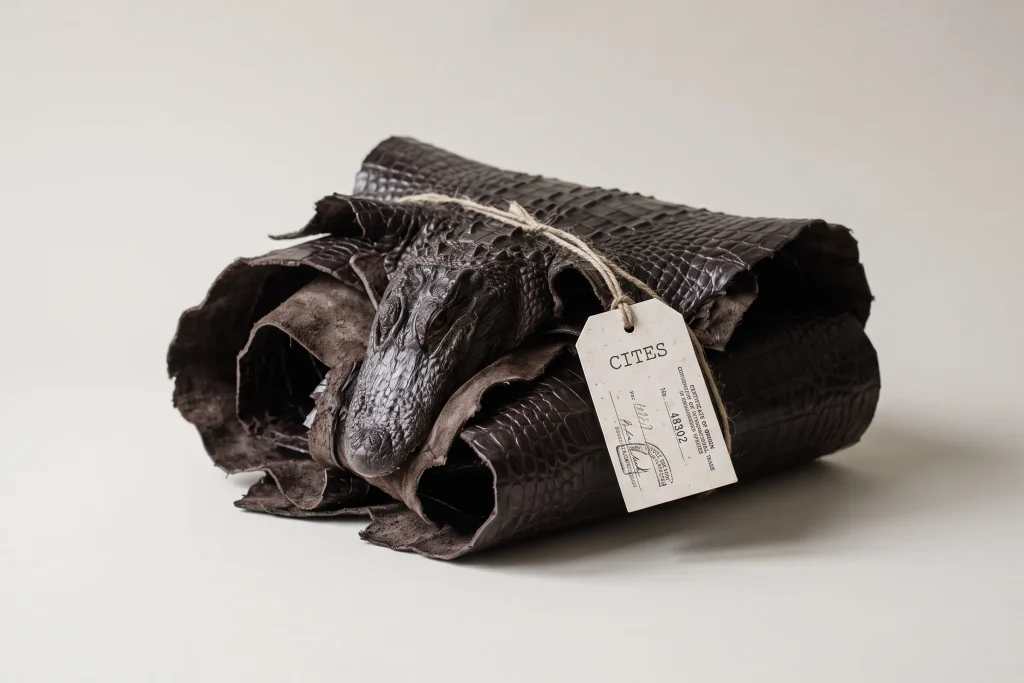
CITES, the Convention on International Trade in Endangered Species, governs exotic animal product trade. It classifies species by conservation status and regulates trade. Species in Appendix I cannot be traded commercially. Species in Appendix II can be traded with permits that document the origin, quantity, and destination of each hide.
This ensures that every piece of exotic leather traded internationally has a paper trail. A crocodile hide farmed in Zimbabwe, tanned in France, and turned into a bag in Italy undergoes multiple inspections before reaching a consumer. This traceability often exceeds that of cotton, wool, or synthetic materials in much of the fashion industry.
The Case Against: Where Concerns Exist
Addressing this question requires acknowledging industry shortcomings. Illegal poaching and smuggling of exotic skins are real problems, and not all suppliers follow CITES standards. Luxury houses must verify their supply chains, yet not all do this thoroughly.
Animal welfare standards on farms differ between countries and operators. The best farms prioritize the health and natural behavior of their animals, while others do not. Consumers should seek brands that provide specific information about their farm partners, not vague assurances.
The Case For: Conservation in Practice
The best argument for certified exotic leather farming is ecological. In countries where it is regulated, wild populations of farmed species have recovered. The American alligator, the Nile crocodile, and the saltwater crocodile were depleted by unregulated hunting before farming offered an alternative. Today, these species are conservation success stories, with farming playing a central role.
The mechanism is simple: when living animals have economic value, communities near them have an incentive to protect them. Farming creates this value. It turns potential poachers into stewards and potential habitat destruction into habitat protection.
What Responsible Choice Looks Like
At Giuseppe Lombardi, we source only from licensed farms that export under CITES permits and maintain documentation for every hide. We provide specific supply chain information to any customer who asks, rather than vague sustainability assurances.
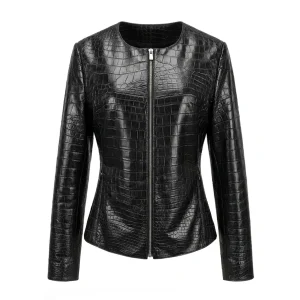
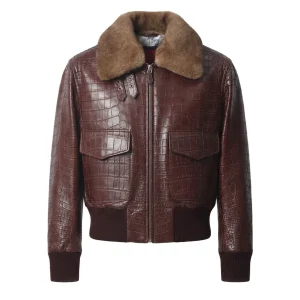
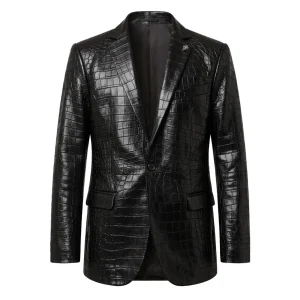
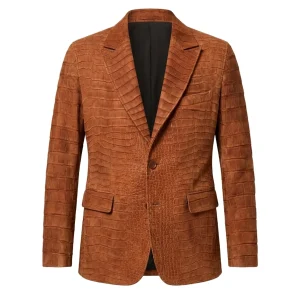
We believe the most ethical choice a consumer can make is an informed one. Not rejecting exotic leather, but selecting it from producers who can account for every step of its journey. Discover our curated collection of new arrivals that reflect our commitment to ethical practices.
Giuseppe Lombardi · The Journal
 The Carbon Footprint of Exotic Leather vs Synthetic Alternatives
 Exotic Animal Farming for Luxury Leather: Everything You Need to Know
 How We Balance Elegance and Environmental Responsibility