The Carbon Footprint of Exotic Leather vs Synthetic Alternatives
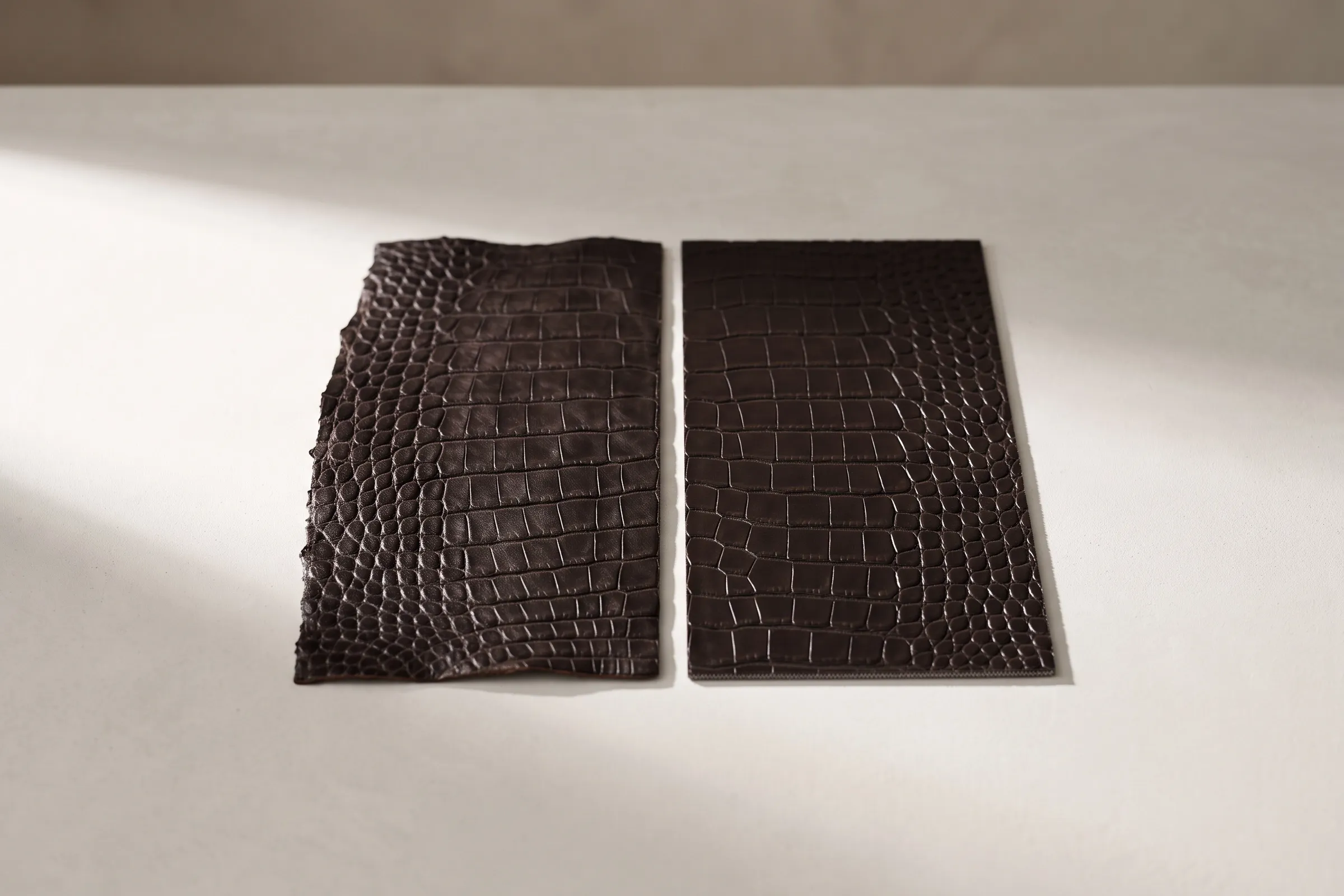
Exotic Leather vs Synthetic Alternatives: Which Is Better for the Planet?
Recently, the debate about leather’s impact on the environment has grown. Many believe animal leather is bad, while synthetic options are good. This view seems simple and aligns with reducing animal product use. But it’s not the whole story.
The Problem With Synthetic Leather
Most synthetic leather, called vegan leather, faux leather, or PU leather, comes from polyurethane or polyvinyl chloride (PVC). These materials are made from petrochemicals. Their production uses a lot of energy and creates chemical waste. Neither polyurethane nor PVC breaks down naturally, so they sit in landfills for a long time.
Synthetic leather is also less durable than real exotic leather. A polyurethane bag may peel and crack in three to five years, needing replacement. This leads to more production, transport emissions, and waste. In contrast, a crocodile leather bag can last forty years, spreading its environmental cost over time. Its yearly impact is much lower than synthetic leather.
Emerging Plant-Based Alternatives: Promise and Limitation
New plant-based leather options, made from pineapple leaves, apple waste, mushroom mycelium, and cactus, are gaining interest. These materials offer a step toward more sustainable luxury and show promise in early uses.
However, they have limits. Most still need a polyurethane or plastic backing for strength in bags, shoes, and belts, bringing back synthetic materials. Their long-term durability is not proven. While better than traditional synthetic leather, their production still involves industrial processes with environmental costs.
The Case for Certified Exotic Leather
Ethically farmed exotic leather offers a stronger argument than many think. Research shows python farming uses less land and feed than regular livestock farming. Ostrich farming, which provides leather, meat, and feathers, is one of the most resource-efficient animal farming systems.
The long life of exotic leather goods is their best environmental argument. A well-cared-for Giuseppe Lombardi crocodile bag can last for generations. It doesn’t end up in a landfill or need replacing. Its environmental cost, spread over fifty or sixty years, is low compared to synthetic alternatives.
Making an Informed Choice
The best environmental choice isn’t always avoiding animal products. It’s about considering a product’s whole lifecycle (from raw material to production, use, and end of life) and choosing wisely.
A certified exotic leather item from a responsible producer, if cared for and passed down, is one of the more environmentally sound luxury purchases. Consumers should know this to make informed choices. For more about our commitment to sustainability, read our story.
Giuseppe Lombardi · The Journal
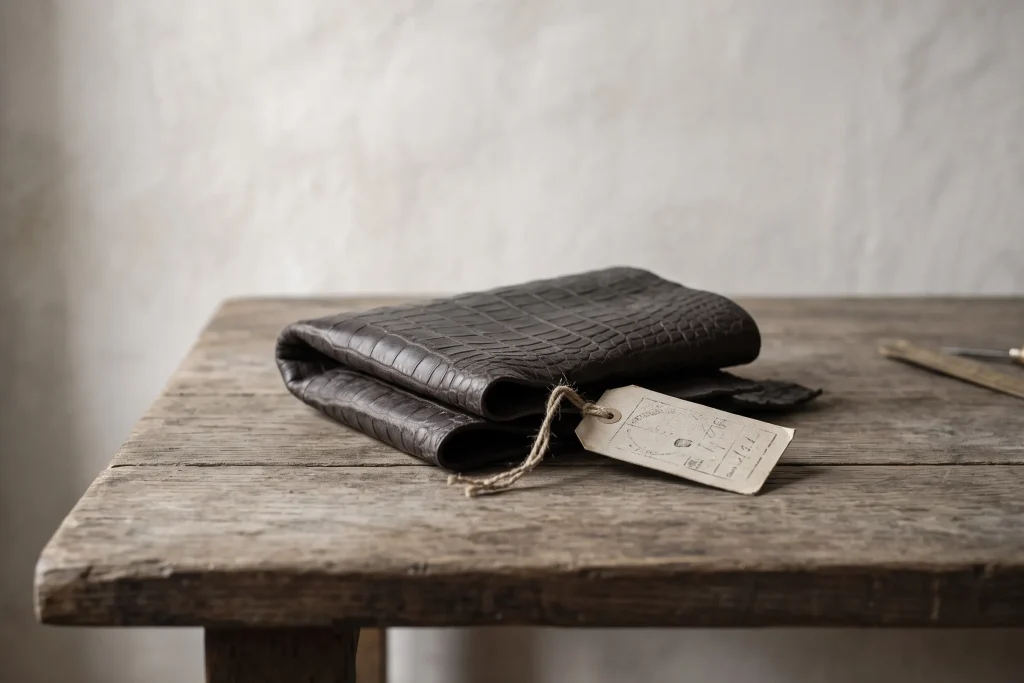 Is Exotic Leather Ethical? The Honest Answer
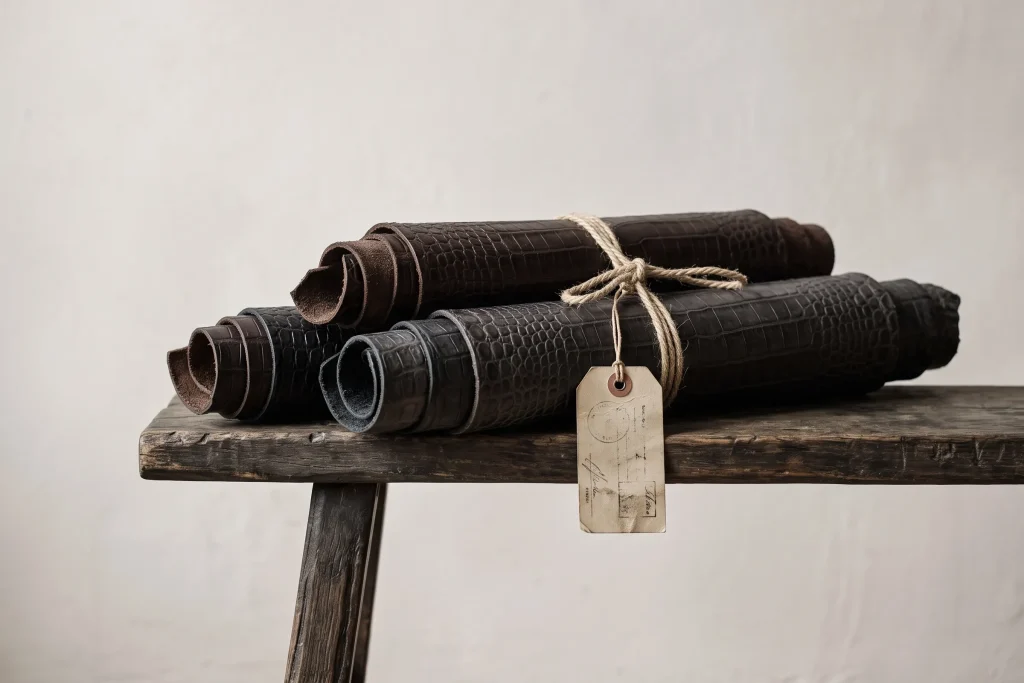 Exotic Animal Farming for Luxury Leather: Everything You Need to Know
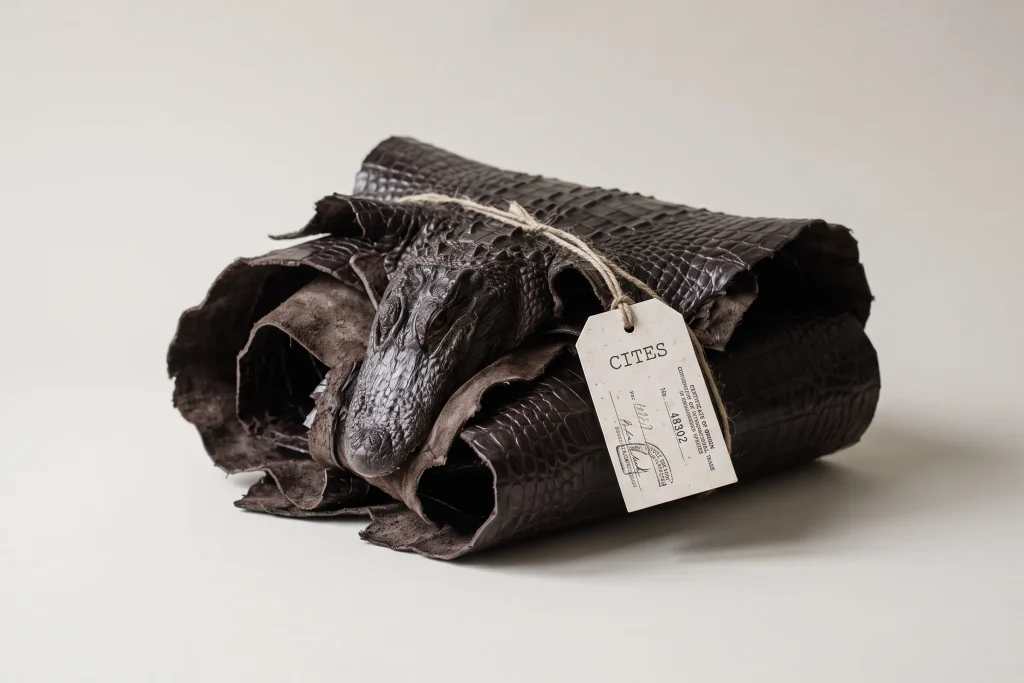 How We Balance Elegance and Environmental Responsibility