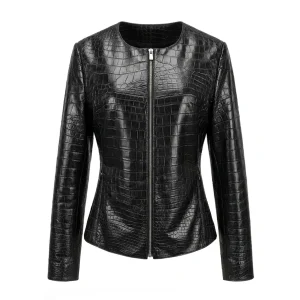
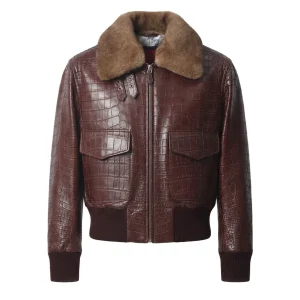
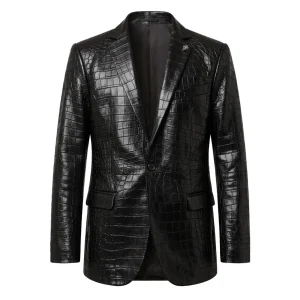
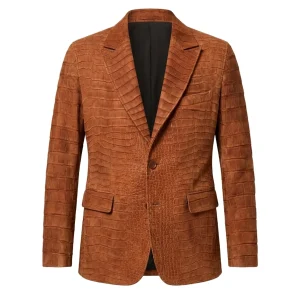
The Captivating History of Exotic Leather in Fashion
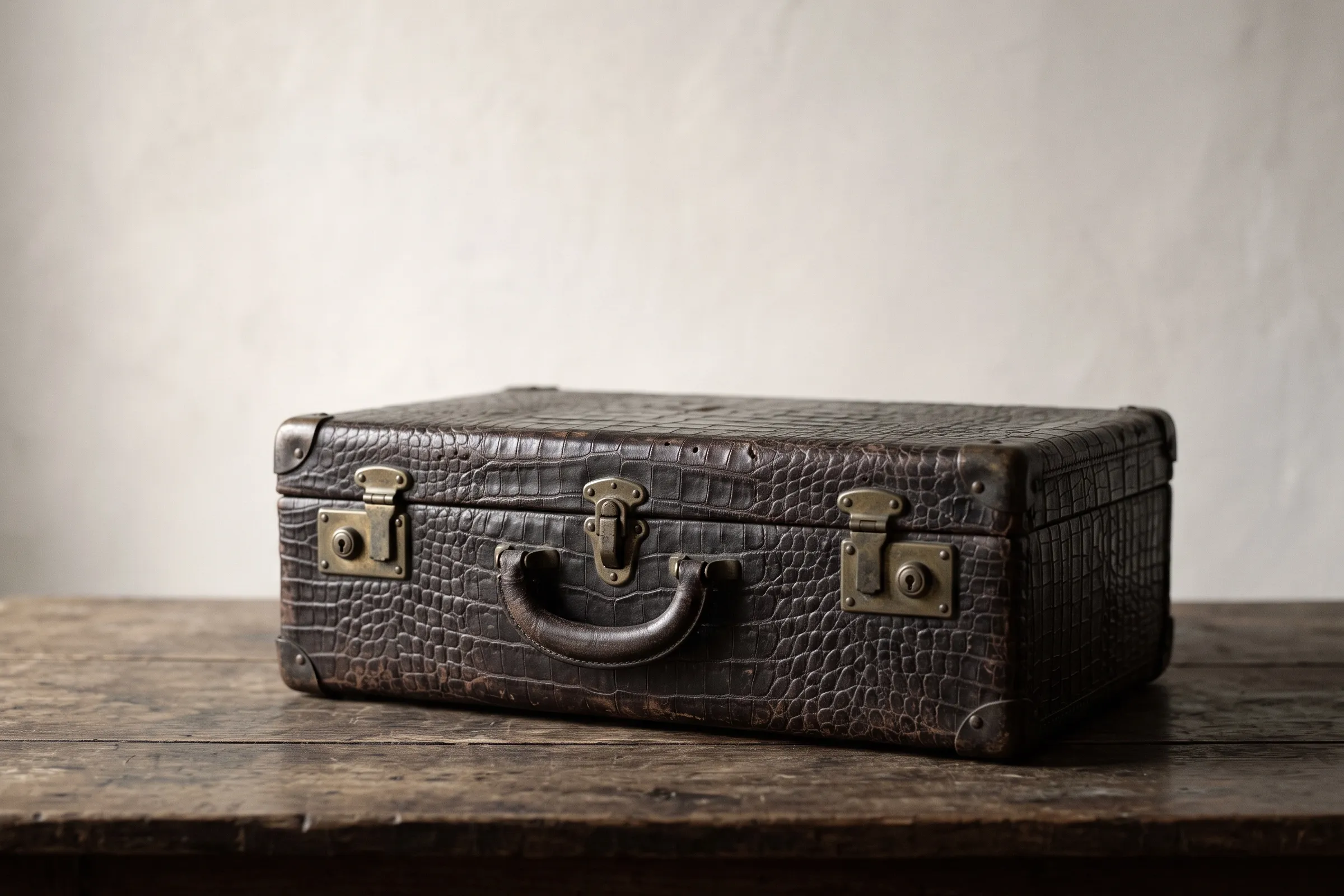
Exotic leather has adorned the world’s most powerful and stylish individuals for thousands of years, representing not just wealth and status, but also humanity’s enduring fascination with nature’s most remarkable creatures. From the pharaohs of ancient Egypt to today’s fashion connoisseurs, exotic leather goods have transcended mere functionality to become timeless symbols of refinement and exclusivity. At Giuseppe Lombardi, we honor this rich heritage by crafting exceptional pieces that bridge centuries of artisanal tradition with contemporary design sensibilities.
Understanding the historical journey of exotic leather in fashion reveals why these materials continue to command such reverence in the luxury market. This exploration not only deepens our appreciation for these extraordinary materials but also contextualizes the meticulous craftsmanship that defines brands like Giuseppe Lombardi.
Ancient Civilizations and the Birth of Exotic Leather Craftsmanship
The story of exotic leather in fashion begins in the cradle of civilization itself. Archaeological evidence suggests that ancient Egyptians were among the first to recognize the exceptional qualities of crocodile and snake skins. Nile crocodile leather adorned the sandals and accessories of pharaohs, while elaborate leather goods were placed in royal tombs as treasures for the afterlife. The distinctive patterns and durability of these materials made them precious commodities, reserved exclusively for nobility and religious leaders.
In ancient Rome, exotic leather signified military prowess and imperial power. Roman generals returning from African and Asian campaigns brought back spoils that included exotic animal hides, which were transformed into armor embellishments, ceremonial belts, and decorative shields. The Romans developed sophisticated tanning techniques that preserved these materials, some of which have survived in remarkable condition to the present day.
Meanwhile, in Asia, Chinese emperors commissioned artisans to create intricate python and lizard leather accessories that demonstrated both wealth and connection to the natural world. These pieces featured elaborate dyeing techniques and gold embossing that elevated exotic leather to an art form. The Silk Road facilitated the exchange of both materials and techniques, spreading the appreciation for exotic leather across continents and cultures.
The Renaissance Through the Victorian Era: Exotic Leather as Status Symbol
The European Renaissance marked a pivotal period in exotic leather’s fashion history. As exploration expanded global trade routes, exotic materials became increasingly available to European aristocracy, though they remained extraordinarily expensive. Crocodile, ostrich, and snake leather goods became the ultimate status symbols among Italian, French, and Spanish nobility. Florentine leather workers, in particular, gained international renown for their ability to work with these challenging materials.
The 17th and 18th centuries saw exotic leather incorporated into formal court attire across Europe. French king Louis XIV famously commissioned alligator leather gloves and accessories, setting trends that rippled throughout European high society. During this period, the craft guilds established rigorous standards for exotic leather work, ensuring that only master artisans could work with these precious materials, a tradition that Giuseppe Lombardi proudly continues today.
The Victorian era introduced exotic leather to a broader, though still elite, consumer base. The British Empire’s vast reach provided unprecedented access to materials from Africa, India, and Southeast Asia. Exotic leather handbags, travel cases, and personal accessories became essential components of a gentleman or lady’s wardrobe. This period also produced the first houses to build a name on leather alone: workshops in Paris, Florence and London that worked to commission rather than selling from a shelf.
The Twentieth Century: From Court to Wardrobe
Exotic leather left the court and entered the fashion house. Through the 1920s and 1930s it became the material of choice for travel trunks, cigarette cases and evening bags, and the spare lines of the period suited a skin whose pattern already did the decorating. Crocodile handbags made in the 1950s still change hands at auction, which says more about how they were built than any advertisement could.
The second half of the century brought the first real restraint on the trade. Unregulated hunting had pushed several crocodilian populations towards collapse, and in 1975 the Convention on International Trade in Endangered Species came into force. Trade in a listed species became a matter of permits, quotas and documented origin rather than of supply and demand. Over the following decades the supply moved off the river and onto the farm.
Where the Craft Stands Now
An exotic skin today is a documented object. A hide crosses a border with its CITES permit, and a tannery that cannot produce the paperwork cannot sell it. Farming rather than hunting is now the norm for crocodile, alligator and ostrich, and hides are graded for the regularity of their pattern before anyone cuts into them.
What has not changed is the work itself. A crocodile hide still has to be read before it is cut, because the tiles run differently on every skin and a panel laid out badly cannot be corrected afterwards. That is why an exotic piece is still made one at a time by someone who has made one before.
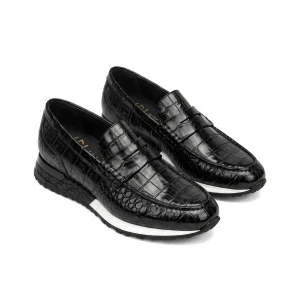
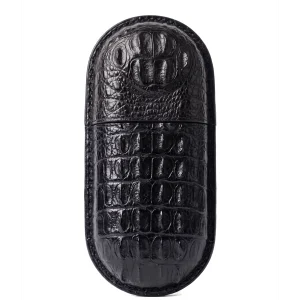
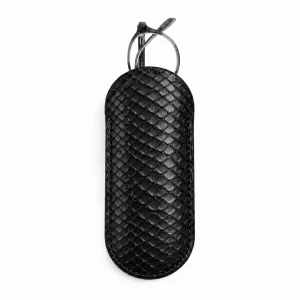
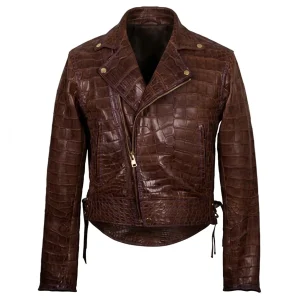
Giuseppe Lombardi works in that tradition. Every piece is cut and finished by hand from farm-raised skins that travel under CITES permits, and because no two hides are marked the same way, no two pieces are either. The crocodile, alligator, ostrich, python, stingray and lizard pages set out what each skin is like to own.
Giuseppe Lombardi · The Journal
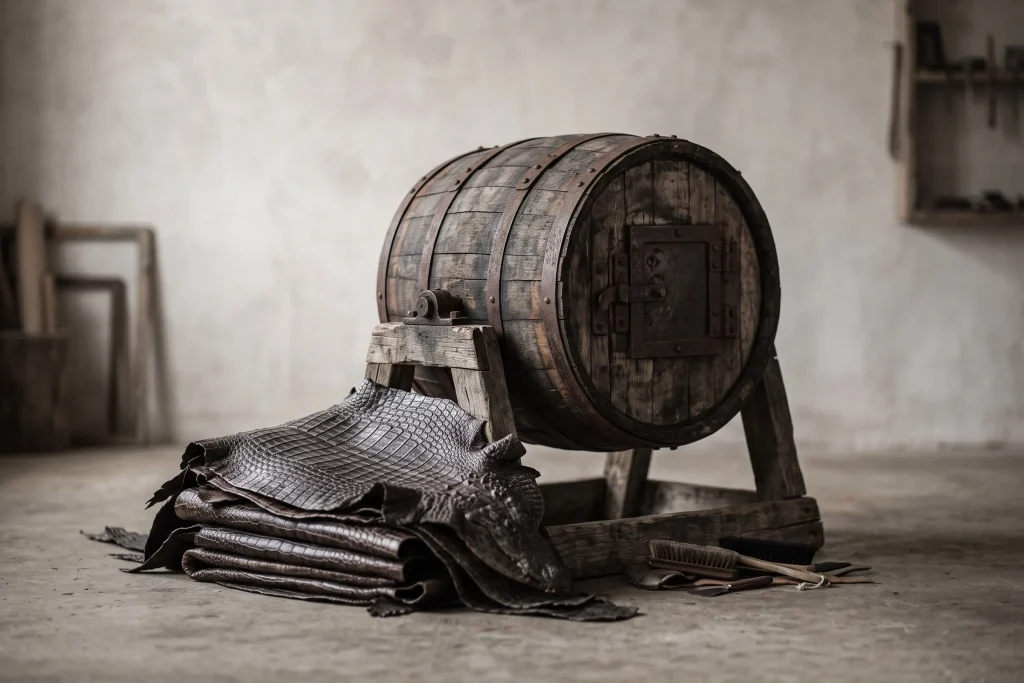 The Art of Exotic Leather Tanning: Traditional Craftsmanship Meets Modern Luxury
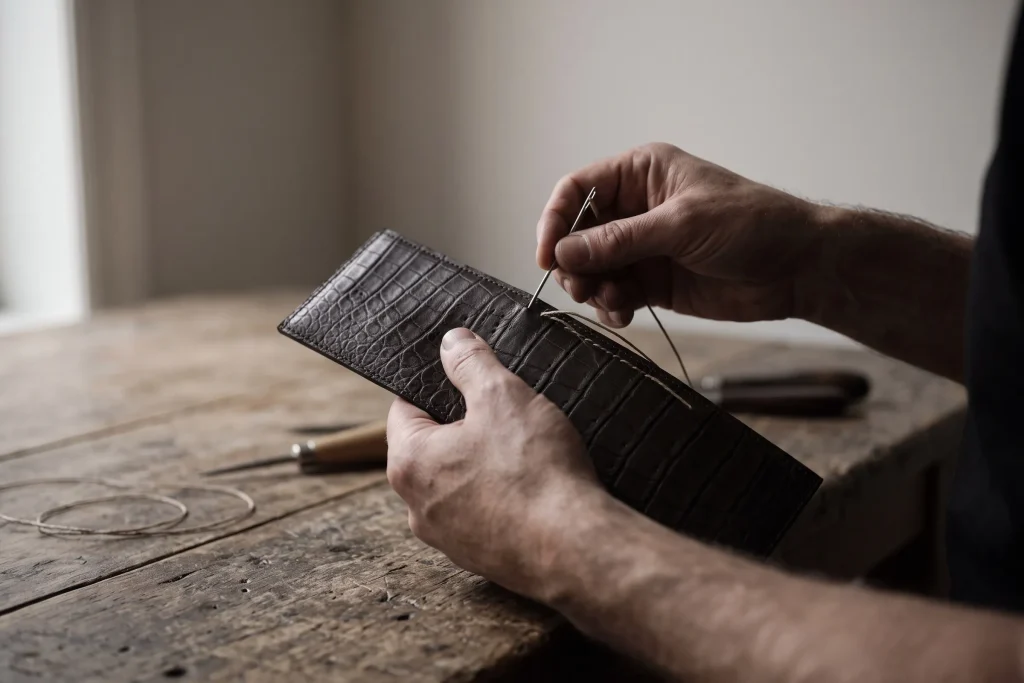 Inside the Atelier: The Making of a Giuseppe Lombardi Masterpiece
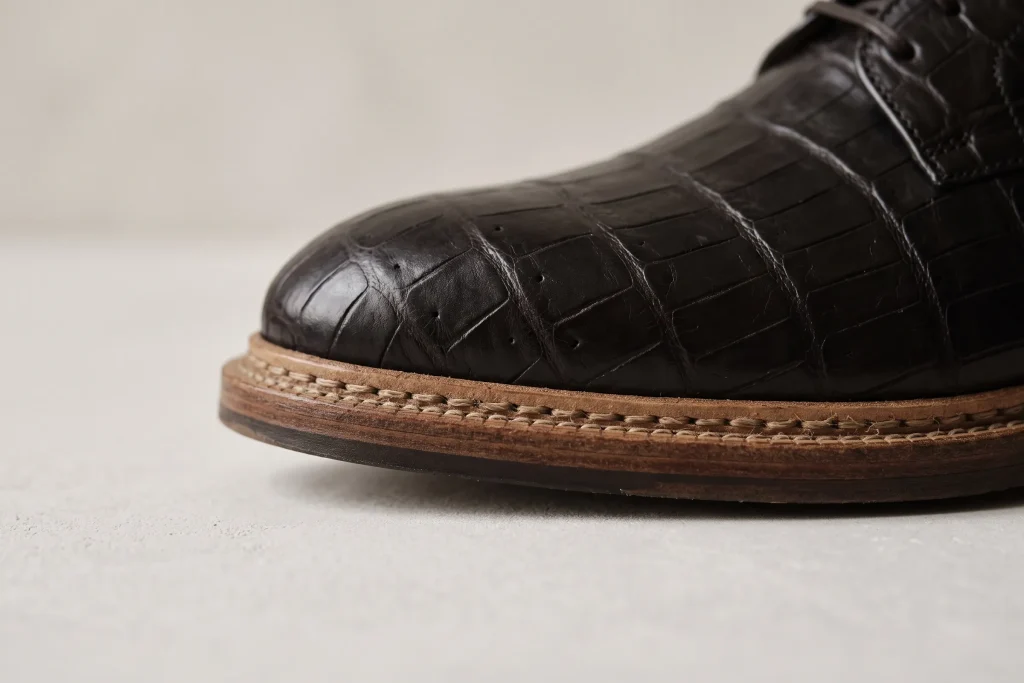 Goodyear welt construction