Inside the Atelier: The Making of a Giuseppe Lombardi Masterpiece
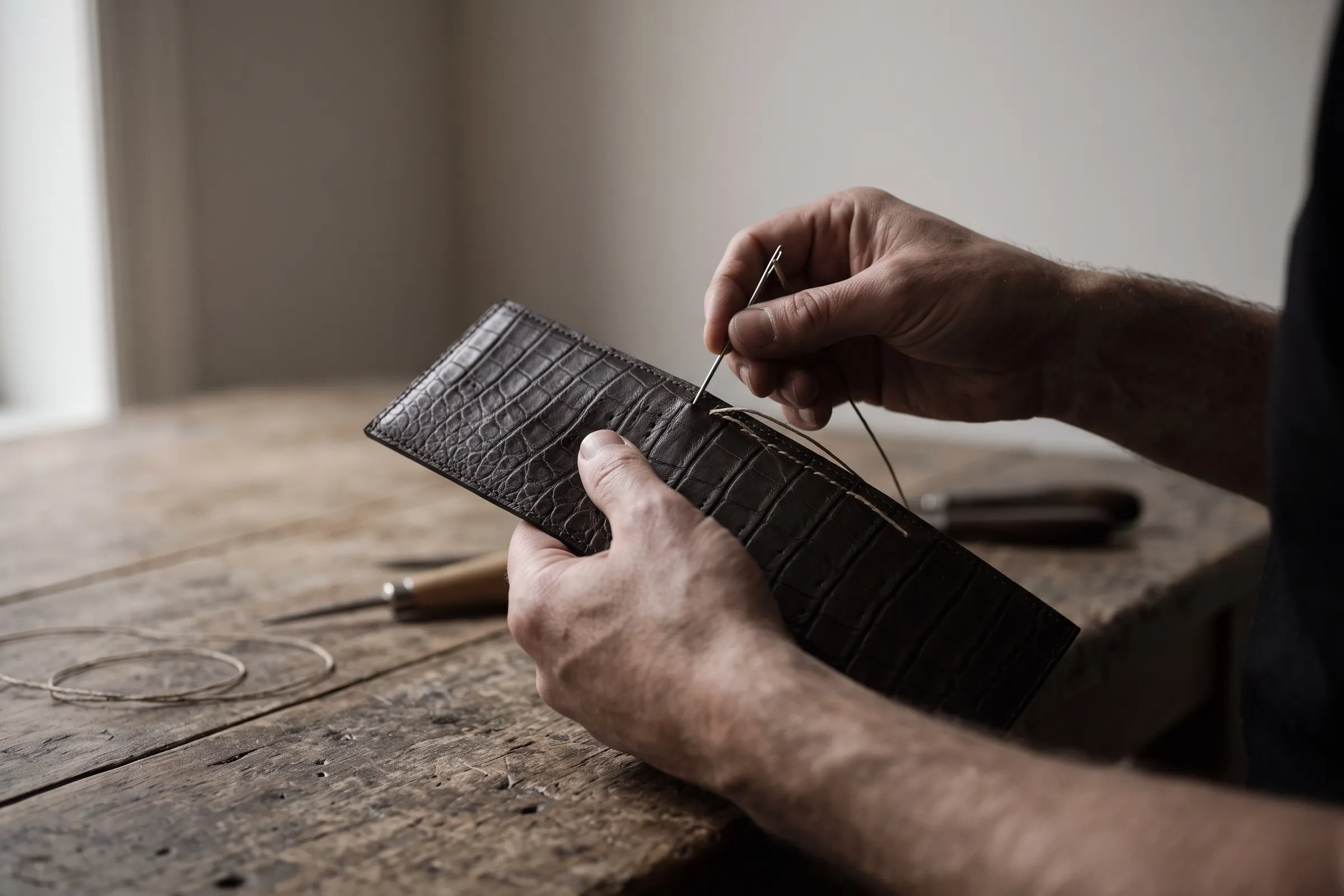
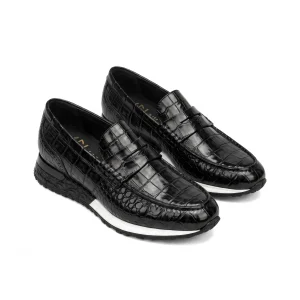
Today, automation and mass production are common. Yet, the Giuseppe Lombardi atelier values craftsmanship. Here, machines don’t set the standard. Algorithms don’t choose the best leather. Skilled artisans make every belt, bag, and shoe. They understand leather like a musician reads music, with instinct, patience, and respect.
A Workshop Rooted in Italian Tradition
In Northern Italy, the Giuseppe Lombardi atelier is a sanctuary. Sunlight streams through arched windows onto marble tables with precision tools and rolled hides. The atmosphere is calm and focused. The art of cutting, stitching, and polishing hasn’t changed for generations.
Artisans start by understanding, not with technique. Before using a knife, they feel the leather’s grain, know its strengths, and see its weaknesses. This closeness to the material is the base of every Lombardi piece.
Ethical Sourcing as a Creative Principle
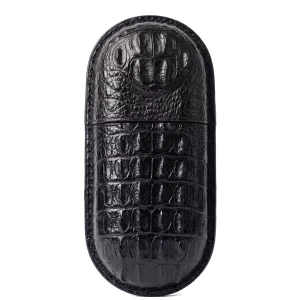
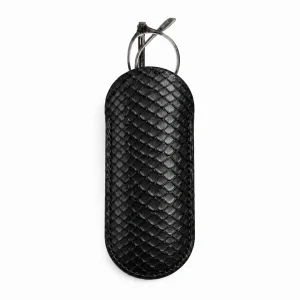
The journey starts before the atelier. Giuseppe Lombardi sources from licensed farms that export under CITES permits. These farms produce crocodile, python, ostrich, and lizard hides under strict welfare and environmental standards. Each farm is checked for compliance and shared values.
When hides arrive at the atelier, they undergo careful inspection. Only hides with uniform scales, natural elasticity, and deep sheen meet Lombardi’s high standards. Those that don’t are used for smaller goods, ensuring no beauty is wasted.
The Art of Making
Every Lombardi design starts as a hand-drawn sketch. Senior artisans then create precise cutting patterns. The angle of a stitch, the curve of a belt loop, and thread tension are deliberate, informed by years of experience.
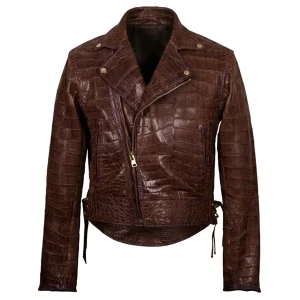
Natural, vegetable-based dyes bring out the depth of each hide, creating warm colors. Since no two hides are the same, each finished piece is unique. Every item from the atelier has subtle differences, marking it as handmade.
Sustainability Woven Into Every Step
The Lombardi atelier practices responsible luxury daily. Offcuts are cataloged and reused. Natural light reduces energy use. Dyes come from low-impact European suppliers. Packaging is made from recycled cotton and biodegradable materials, with tissue paper bearing the Lombardi monogram in eco-certified ink.
The house prefers limited runs over seasonal excess, focusing on quality over quantity. These choices make sustainability a genuine practice.
The Human Signature
Every artisan at the Lombardi atelier has a unique touch. They have a special way of holding a knife, pulling thread, or applying wax. These gestures, often unseen, give each piece a human touch that machines can’t replicate. A senior craftsperson might spend twelve hours on a single bag, aligning scales by eye and finishing every edge by hand.
The atelier values intention over speed. A piece is only finished when it meets two conditions: it must be perfect, and it must be made with conscience.
Passing the Knowledge Forward
Giuseppe Lombardi invests in the next generation of Italian craftsmanship. Through collaborations with design programs, the brand mentors new artisans in responsible production. They teach how to work with exceptional materials and honor them. Techniques like pattern cutting to minimize waste, material selection considering the full life cycle, and finishing techniques that avoid harsh chemicals form the curriculum of conscious luxury.
The Final Seal
Before leaving the atelier, each piece undergoes a thorough inspection. Stitching alignment, scale continuity, edge finish, and structural integrity are checked by eye and hand. Only when every criterion is met does the piece receive the Lombardi Seal: a discreet gold stamp symbolizing care.
It is then wrapped in a reusable dust bag, placed in recyclable packaging, and sent out into the world, ready to start a story that may outlast its first owner.
From Hand to Heritage
A Giuseppe Lombardi piece does not age; it deepens. A belt worn daily for a decade develops a patina that no new piece can replicate. A bag carried through years becomes more than an accessory; it becomes a record of a life lived with taste.
This connection between artisan and owner, between one generation and the next, is the true meaning of craftsmanship. Not perfection frozen in time, but excellence that grows richer with each passing year. It means owning something truly precious, not because it shouts wealth, but because it whispers integrity.
To explore our collection or learn more about our heritage, visit our shop or discover our story.
Giuseppe Lombardi · The Journal
 The Art of Exotic Leather Tanning: Traditional Craftsmanship Meets Modern Luxury
 The Captivating History of Exotic Leather in Fashion
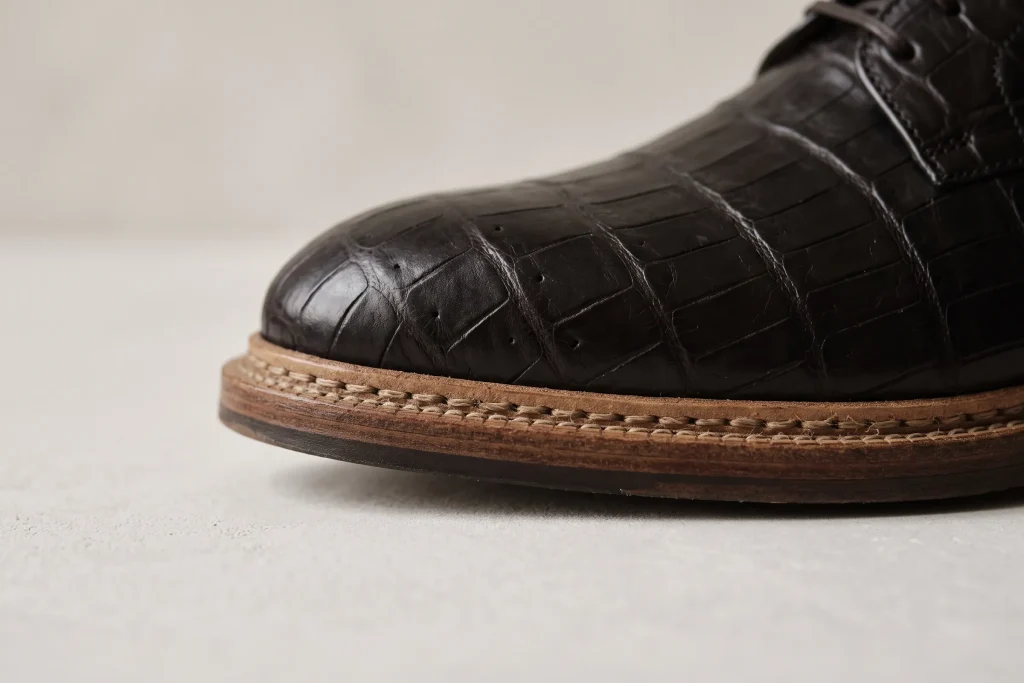 Goodyear welt construction