How to Identify Genuine Exotic Leather
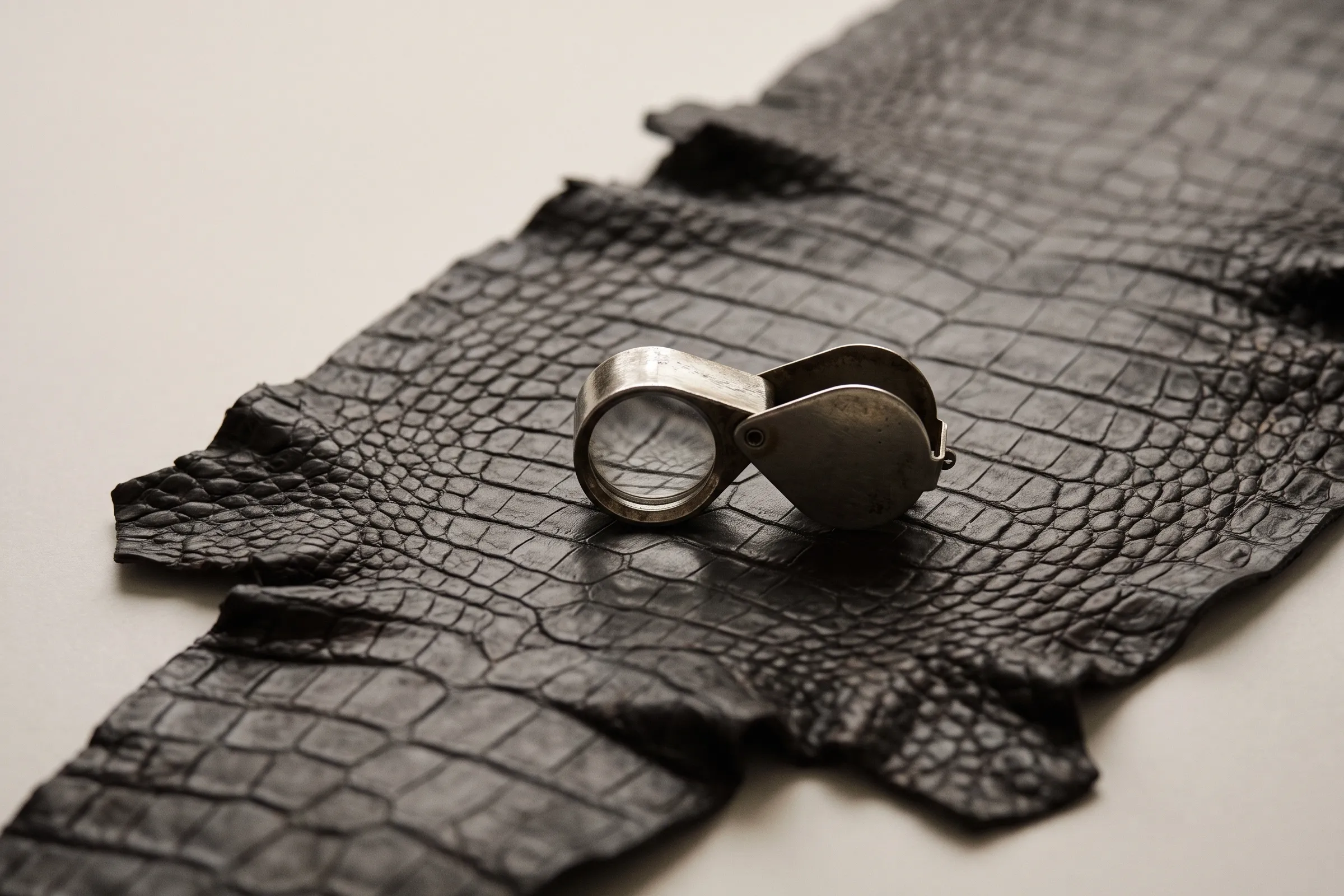
When you buy a luxury item like a wallet, bag, or boots made from exotic leather, it’s important to know what you’re getting. The luxury market has many imitations that don’t last. Knowing how to spot real exotic leather is a valuable skill.
At Giuseppe Lombardi, we use certified, traceable exotic skins for every piece. Here’s what our artisans and you should look for.
1. Check the Scale Pattern
To find real exotic leather, look at the scale pattern. In nature, no two animals have the same skin markings.
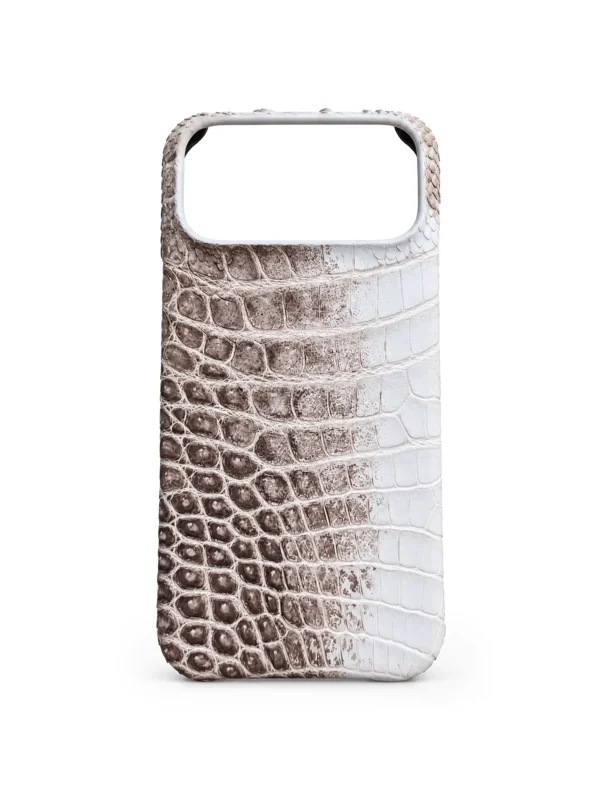
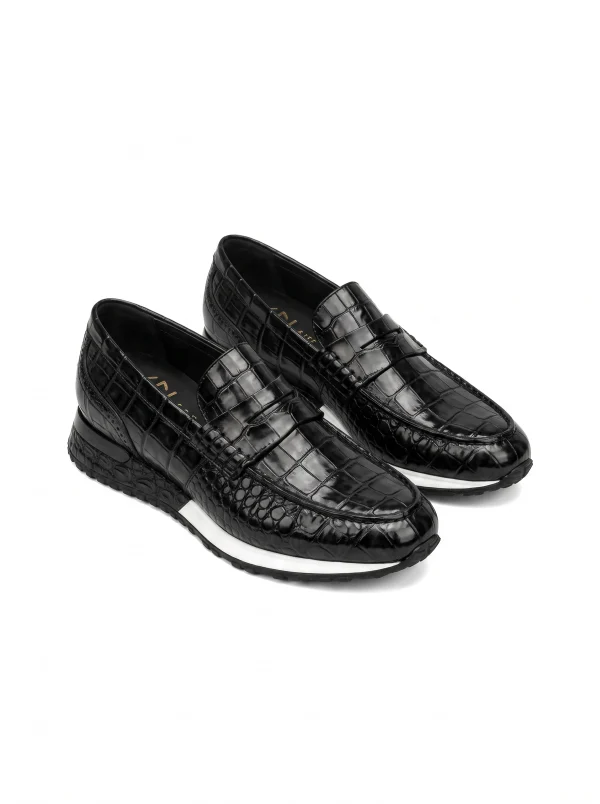
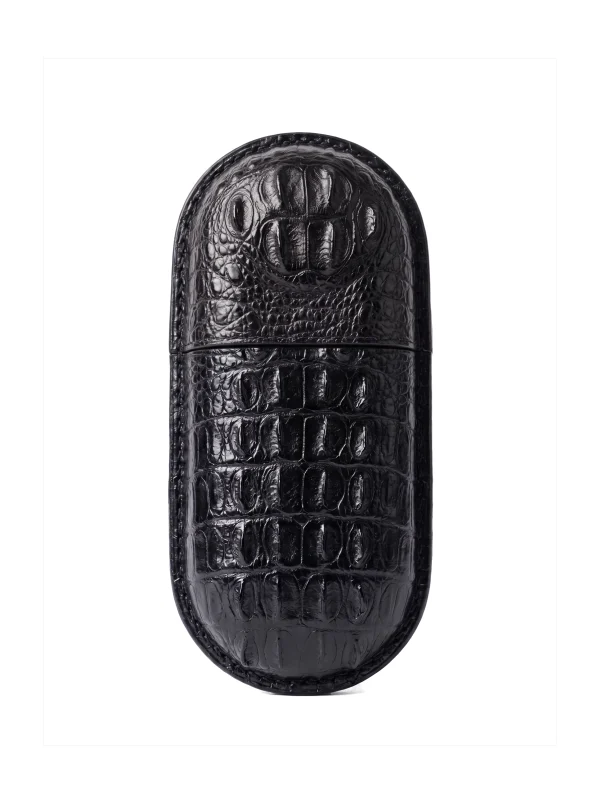
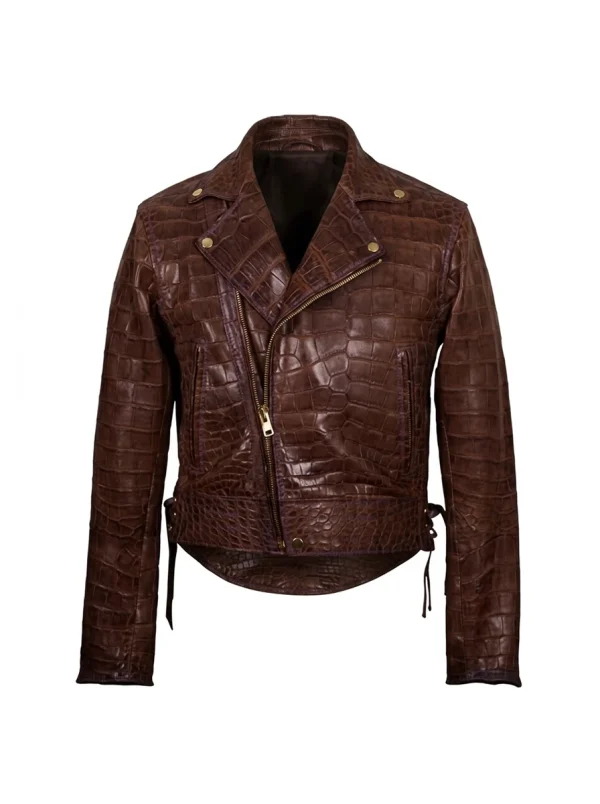
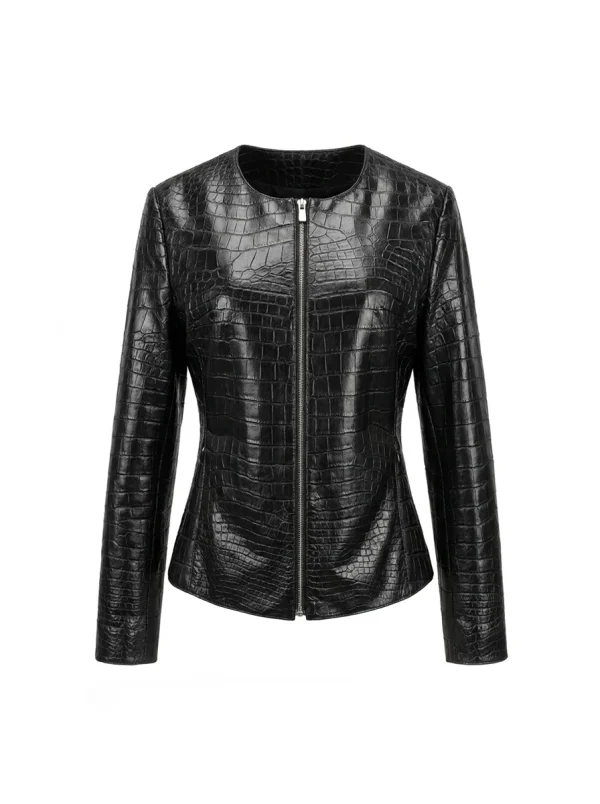
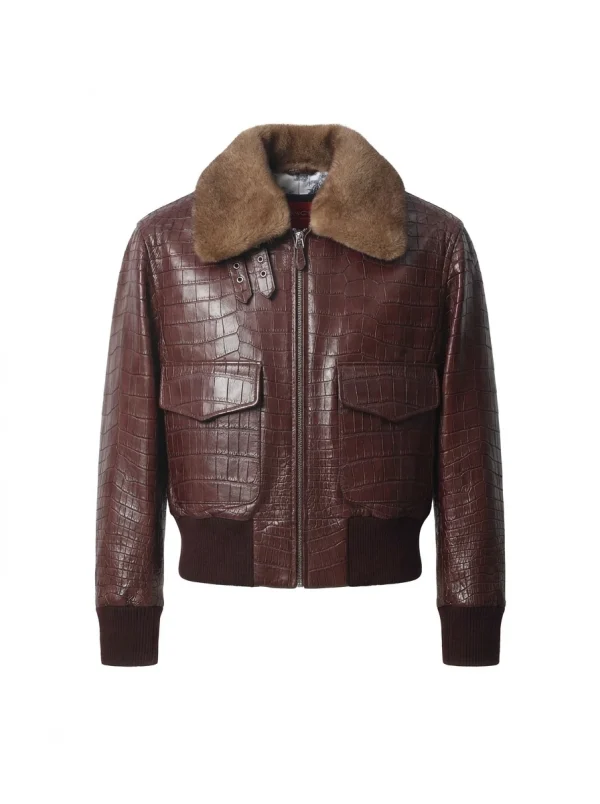
Crocodile & Alligator: Look for the “umbilical” pore, a small dot in the center of each scale. These sensory organs are unique to crocodilians and can’t be copied in embossed leather. Alligator scales are more regular and symmetric, while crocodile scales are rougher and varied.
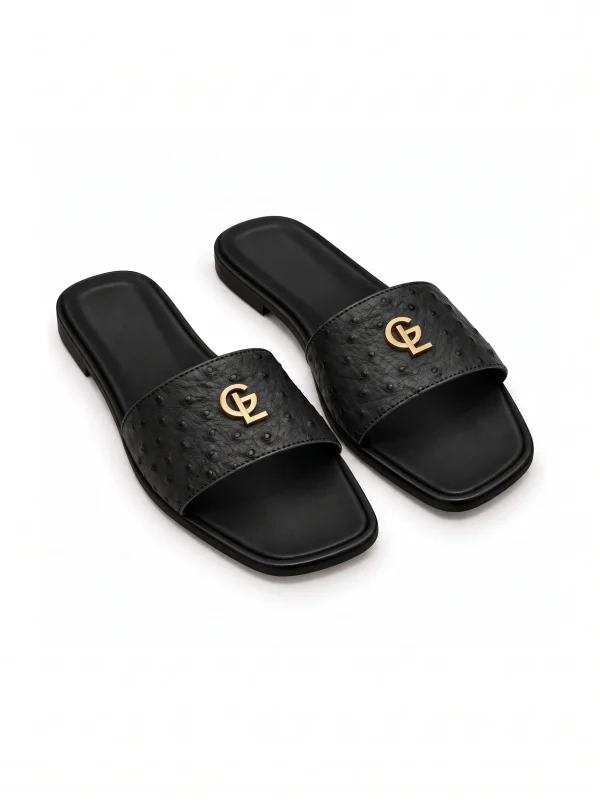
Ostrich: Real ostrich leather has raised quill bumps in a natural pattern across the central “crown” of the hide. The bumps should feel firm and three-dimensional, not flat or painted on.
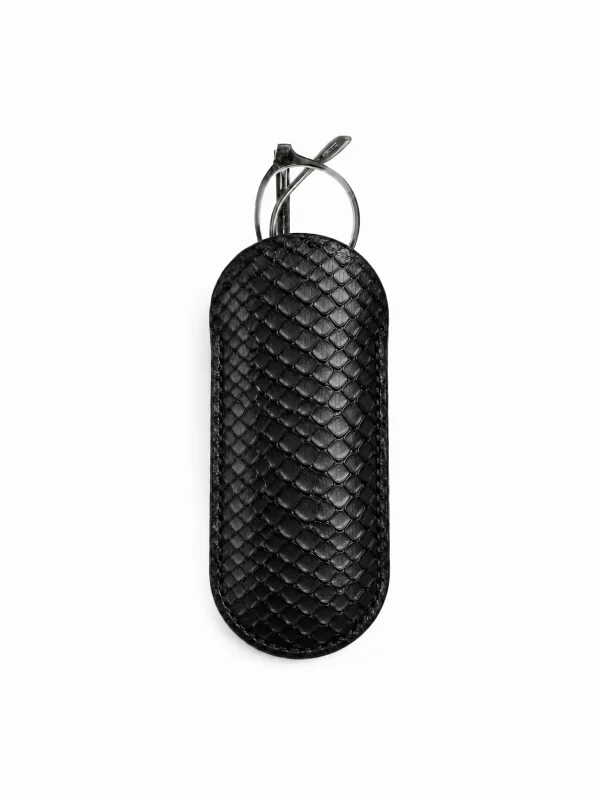
Python & Lizard: Real python scales overlap naturally with varied sizes, larger in the center, tapering toward the edges. Lizard leather (often monitor or tejus) has tiny, tightly packed scales with a natural sheen that catches light differently from every angle. Discover our latest arrivals to see some fine examples.
Stingray: Real shagreen (stingray leather) has a pebbly, almost granular texture with a natural shine. The “eye,” a smooth central patch where the spine was, is a sign of authenticity.
2. Feel the Texture: Front and Back
Flip the piece over. Real exotic leather has a suede-like backing, soft, slightly fibrous, and consistent. Embossed or bonded leather often shows a uniform fabric backing or synthetic mesh underneath.
On the front, run your finger across the surface. Real exotic leather changes temperature slightly, warming to your touch gradually. Synthetic materials feel uniformly cool or warm.
3. Smell It
This may sound unusual, but leather has a distinctive smell: earthy, slightly animal, and rich. This scent develops and mellows over time. Synthetic or bonded leather smells of chemicals, plastic, or adhesive, especially when new.
4. Check the Weight
Real exotic leather has substance. A real crocodile leather wallet feels noticeably heavier than an embossed cowhide version of the same size. This is because exotic skins are dense, and the tanning process preserves their natural thickness.
5. Ask for Documentation
A reputable seller of exotic leather should provide CITES (Convention on International Trade in Endangered Species) documentation for protected species like crocodile, alligator, and python. This is not just good practice but also the law in most countries. At Giuseppe Lombardi, all our exotic skins are fully CITES-compliant and traceable to the licensed farm each hide came from. Learn more about our commitment to quality and authenticity in Our Story.
6. Price as an Indicator
Real exotic leather is expensive due to raw material cost, tanning complexity, and artisan labor, not brand markup. A “crocodile leather wallet” selling for $40 is almost certainly embossed cowhide. Authentic crocodile pieces start at several hundred dollars and increase with skin quality and craftsmanship.
The Bottom Line
Real exotic leather rewards patience and knowledge. When you know what to look for (the sensory pores, natural irregularity, organic backing, and weight), you won’t be fooled. Investing in a piece from a brand that offers full traceability and certification means you’re not just buying leather; you’re buying a legacy.
Explore Giuseppe Lombardi’s collection of certified exotic leather goods, each piece authenticated, documented, and crafted to last a lifetime. Visit our shop to find your next treasure.
FAQ
Can embossed leather ever look like real exotic leather?
High-quality embossed cowhide can mimic scale patterns visually, but under close inspection, it fails: no sensory pores, uniform backing, and a flat scale profile reveal it.
Is there a test I can do at home?
The water drop test works well: a drop of water on real exotic leather will bead and absorb slowly. On synthetic or bonded leather, it either beads indefinitely or absorbs too quickly.
Are all exotic leathers protected by law?
Not all, but many are. Crocodile, alligator, python, and some lizard species require CITES documentation. Ostrich and stingray are generally unregulated but should still come with origin documentation from reputable sellers.
Giuseppe Lombardi · The Journal
 How to Spot Fake Crocodile Leather: 7 Tell-Tale Signs
 The Art of Exotic Leather Tanning: Traditional Craftsmanship Meets Modern Luxury
 The Captivating History of Exotic Leather in Fashion