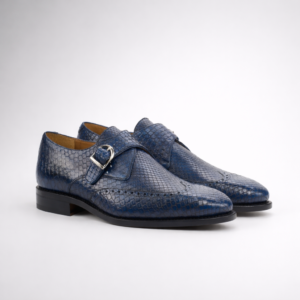
# The Ultimate Guide to Crocodile Leather Care: Preserving Your Luxury Investment
## Introduction
Crocodile leather represents the pinnacle of luxury materials in the world of high-end fashion and accessories. As one of the most coveted exotic leathers, genuine crocodile skin commands premium prices and offers unparalleled sophistication to handbags, wallets, belts, and other luxury goods. At Giuseppe Lombardi, we understand that investing in crocodile leather pieces is not just a purchase—it’s an acquisition of timeless elegance that can last generations when properly maintained.
However, the unique characteristics that make crocodile leather so desirable also make it more delicate than traditional leathers. The distinctive scale patterns, natural oils, and specialized tanning processes require dedicated care routines to maintain the leather’s luster, suppleness, and structural integrity. In this comprehensive guide, we’ll explore professional techniques for caring for your crocodile leather items, ensuring they remain as stunning as the day you first acquired them.
## Understanding Crocodile Leather’s Unique Composition
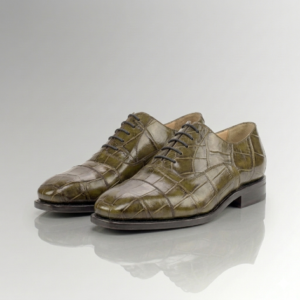
Before diving into care techniques, it’s essential to understand what makes crocodile leather exceptional. Unlike conventional cowhide, crocodile skin features a complex structure of scales with varying thickness and texture. The belly scales, known for their uniform square or rectangular patterns, are typically more pliable and prized for luxury goods, while the back scales display more pronounced ridges.
Crocodile leather contains natural oils that give it a characteristic sheen and help maintain flexibility. These oils can diminish over time due to environmental factors, handling, and exposure to elements. The tanning process used for crocodile leather also differs significantly from standard leather treatment, often employing specialized techniques that preserve the skin’s natural characteristics while enhancing durability.
The tile-like scale structure means that crocodile leather has natural weak points where scales meet. This makes the material more susceptible to cracking if it becomes too dry or is subjected to harsh bending. Additionally, the porous nature of the scales means crocodile leather can absorb liquids and oils more readily than smooth leathers, making stain prevention crucial.
## Daily Care and Handling Best Practices
The foundation of crocodile leather maintenance begins with how you handle and store your items daily. Always ensure your hands are clean and free from lotions, perfumes, or oils before handling crocodile leather goods. These substances can be absorbed into the scales, potentially causing discoloration or degradation over time.
When carrying crocodile leather handbags or wearing accessories, be mindful of sharp objects, jewelry, or clothing hardware that could scratch or puncture the scales. While crocodile leather is remarkably durable, individual scales can be damaged by concentrated pressure or sharp edges. If your item gets wet from rain or spills, gently blot—never rub—the surface with a soft, absorbent cloth and allow it to air dry naturally away from direct heat sources.
Storage is equally important for preserving crocodile leather. Always store items in breathable dust bags, never plastic, which can trap moisture and promote mildew growth. Stuff handbags and shoes with acid-free tissue paper to maintain their shape, and store them in a cool, dry place away from direct sunlight, which can fade the color and dry out the leather. If possible, allow leather items to “breathe” occasionally by removing them from storage for a few hours each month.
## Professional Cleaning and Conditioning Techniques
Regular conditioning is perhaps the most critical aspect of crocodile leather care. Giuseppe Lombardi recommends conditioning your crocodile leather goods every three to six months, depending on climate and frequency of use. Use only conditioners specifically formulated for exotic leathers—products designed for conventional leather may contain ingredients that damage crocodile skin’s unique structure.
Apply conditioner sparingly using a soft, lint-free cloth in gentle circular motions, working with the scale pattern rather than against it. Pay special attention to areas that experience more stress, such as corners, handles, and edges. After application, allow the conditioner to absorb for at least 30 minutes, then buff gently with a clean cloth to restore shine. Over-conditioning can be as detrimental as under-conditioning, potentially clogging the scales’ natural texture, so less is always more.
For cleaning, never use water-based cleaners or harsh chemicals on crocodile leather. Instead, use a dry or barely damp soft cloth to remove surface dust and dirt. For more stubborn marks, specialized exotic leather cleaners should be applied with extreme care, always testing on an inconspicuous area first. Deeply embedded stains or significant damage should always be addressed by professional leather restoration specialists who