“`html
Python Leather Fashion Trends: The Ultimate Guide to This Exotic Material
Published: 2025-02-01 | Giuseppe Lombardi Luxury Leather Goods
In the world of luxury fashion, few materials command attention quite like python leather. With its distinctive scale patterns, natural iridescence, and unparalleled sophistication, python skin has emerged as one of the most coveted exotic materials in contemporary fashion. From haute couture runways to exclusive boutiques, python leather continues to define elegance and individuality for discerning fashion connoisseurs worldwide.
At Giuseppe Lombardi, we’ve witnessed firsthand how python leather has evolved from a niche luxury material to a mainstream fashion statement. This guide explores the current trends shaping python leather fashion, helping you understand why this remarkable material deserves a place in your luxury collection.
The Enduring Appeal of Python Leather in Modern Fashion
Python leather’s resurgence in contemporary fashion isn’t coincidental—it represents a perfect convergence of timeless elegance and modern design sensibilities. Unlike conventional leathers, python skin offers a visual complexity that transforms even the simplest designs into statement pieces.
The natural scale pattern of python leather ensures that no two pieces are identical, providing fashion enthusiasts with truly unique accessories. This inherent exclusivity appeals to luxury consumers who seek differentiation in an increasingly homogenized market. The material’s ability to absorb and reflect light creates a dynamic visual experience, with colors and textures that shift beautifully throughout the day.
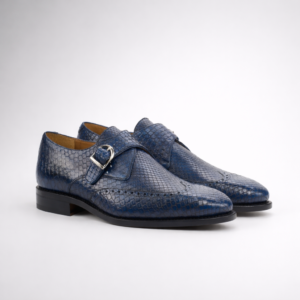
Recent fashion weeks in Milan, Paris, and New York have showcased python leather in innovative ways, from structured handbags to sleek footwear and refined small leather goods. Designers appreciate python’s versatility—it can be dyed in virtually any color while maintaining its signature texture, allowing for creative expression without compromising the material’s natural beauty.
The luxury market has also witnessed a shift toward smaller, investment-focused purchases. Python leather accessories perfectly fulfill this demand, offering substantial value in compact forms like wallets, cardholders, and clutches that showcase the material’s beauty without overwhelming.
Current Color Trends and Pattern Preferences
While natural python leather tones—ranging from creamy beiges to warm browns—remain eternally chic, the current fashion landscape has embraced bold color experimentation. Deep jewel tones such as emerald green, sapphire blue, and ruby red have dominated recent collections, offering dramatic alternatives to traditional neutrals.
Monochromatic python leather pieces in black continue to reign as wardrobe essentials, providing versatility and timeless appeal. However, we’re seeing increased demand for unexpected color combinations, particularly two-tone designs that highlight python’s natural pattern variation. Metallic finishes—particularly champagne gold and gunmetal silver—have emerged as sophisticated choices for evening accessories.
The “natural enhancement” trend has gained significant traction, where python leather is minimally treated to preserve its organic coloration while enhancing durability. This approach appeals to consumers who value authenticity and wish to showcase the leather’s inherent beauty rather than concealing it beneath heavy dyes.
Pattern scale preferences have also evolved. While large, dramatic python scales create bold visual impact, there’s growing appreciation for smaller-scaled python varieties that offer subtlety and refinement. This diversity allows designers to tailor their creations to different aesthetic preferences, from maximalist statement pieces to understated luxury.
Python Leather Product Categories Leading the Market
The handbag category continues to dominate python