# The Art of Exotic Leather Tanning: Traditional Craftsmanship Meets Modern Luxury
## Introduction
In the world of luxury leather goods, the transformation of raw exotic skins into supple, lustrous masterpieces is nothing short of alchemy. The tanning process—an ancient craft refined over millennia—remains the cornerstone of creating exceptional products that define brands like Giuseppe Lombardi. While many admirers of crocodile handbags, python wallets, and ostrich accessories appreciate the finished product, few understand the meticulous journey these exotic materials undertake before gracing the workshops of master artisans. This intricate process, combining time-honored techniques with contemporary innovation, separates truly exceptional exotic leather goods from mere imitations. Understanding how exotic leather is tanned not only deepens appreciation for these luxury items but also illuminates why authentic pieces command their prestigious position in the fashion world.
## The Foundation: Understanding Exotic Leather Tanning
Tanning is the chemical process that converts raw animal hides into stable, durable leather that won’t decompose. Unlike bovine leather, exotic skins such as crocodile, alligator, python, ostrich, and stingray present unique challenges due to their distinctive textures, scales, and structural compositions. Each species requires specialized treatment to preserve its characteristic beauty while ensuring longevity and functionality.
The tanning process begins immediately after the skin is sourced from certified, sustainable farms that comply with CITES (Convention on International Trade in Endangered Species) regulations. Time is of the essence—exotic skins must be preserved quickly to prevent deterioration. Initial preservation typically involves salting or refrigeration, which stabilizes the proteins within the skin and prevents bacterial growth during transportation to tanning facilities.
For luxury brands like Giuseppe Lombardi, selecting the right tannery represents a critical decision. The finest exotic leather tanneries, often located in France and Italy, have perfected their craft over generations, developing proprietary methods that maximize each skin’s natural beauty while ensuring exceptional durability.
## The Tanning Journey: From Raw Skin to Refined Leather
### Preparation and Cleaning
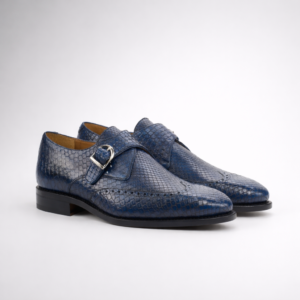
The first stage involves thoroughly cleaning the skins to remove salt, dirt, blood, and any remaining flesh or fat. This process, called soaking, rehydrates the skin to a workable state. Exotic skins undergo gentle treatment in rotating drums filled with water and mild cleaning agents. For delicate materials like python or particularly valuable crocodile belly skins, this step requires careful monitoring to prevent damage to the scale structure.
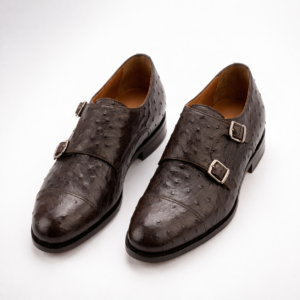
Following soaking, the skins undergo liming—a process where they’re treated with alkaline solutions to remove hair, feathers, or any remaining organic matter. For ostrich leather, this step is particularly important as the characteristic quill follicles must be carefully preserved, as these create the distinctive bumpy texture that makes ostrich leather so coveted.
### The Tanning Phase: Chemical Transformation
The actual tanning phase transforms the protein structure of the skin, making it resistant to decomposition, heat, and moisture. Two primary methods dominate exotic leather tanning:
**Chrome tanning** remains the most common method for exotic leathers, using chromium salts to create a chemical bond with the collagen in the skin. This process produces soft, supple leather with excellent color-fastness and durability. Chrome-tanned exotic leathers typically display vibrant colors and maintain their flexibility over decades of use. The process takes approximately one day, though exotic skins require more careful temperature and pH monitoring than conventional leathers.
**Vegetable tanning** represents the traditional method, using tannins extracted from tree bark, leaves, and other plant materials. This time-intensive process—often taking several weeks—creates firmer leather with a natural patina that develops beautifully over time. Some luxury houses prefer vegetable-tanned exotic leathers for certain products, as the material develops a unique character that tells the story of its use. However, this method is less common for exotic skins due to the extended processing time and higher risk of damaging delicate scale structures.
Giuseppe Lombardi works exclusively with tanneries that have mastered both techniques, selecting the appropriate method based on the skin type and intended application of the finished product.
## Finishing Touches: Creating Luxury
After tanning, exotic leathers undergo several finishing processes that determine their final appearance and characteristics. These stages separate luxury exotic leather goods from inferior products.
**Dyeing and coloring** exotic leathers requires exceptional skill. Unlike smooth bovine leather, scaled and textured exotic skins absorb dye unevenly due to their varied thickness and density. Master craftsmen apply color in multiple layers, ensuring each scale or follicle achieves