“`html
How to Authenticate Exotic Leather Goods: A Definitive Guide to Identifying Genuine Luxury
Published on 2025-01-27 | By Giuseppe Lombardi
Introduction
In the world of luxury exotic leather goods, authenticity is everything. As the market for premium crocodile, alligator, python, and ostrich leather continues to flourish, so too does the proliferation of counterfeit products that threaten to undermine the integrity of true craftsmanship. At Giuseppe Lombardi, we understand that investing in exotic leather represents not just a purchase, but an acquisition of timeless artistry and exceptional quality. Whether you’re considering your first exotic leather handbag or expanding your collection, knowing how to authenticate these precious items is essential to protecting your investment and ensuring you receive the genuine article you deserve.
The counterfeit luxury goods market has become increasingly sophisticated, with fake items sometimes difficult to distinguish from authentic pieces at first glance. However, genuine exotic leather possesses unique characteristics that, once understood, make authentication considerably more manageable. This comprehensive guide will equip you with the knowledge needed to confidently identify authentic exotic leather goods and avoid costly mistakes.
Understanding Natural Scale and Follicle Patterns
The most fundamental aspect of authenticating exotic leather lies in examining its natural patterns. Genuine exotic leather showcases irregularities that nature creates—no two skins are identical, and this uniqueness is impossible to perfectly replicate in synthetic or embossed materials.
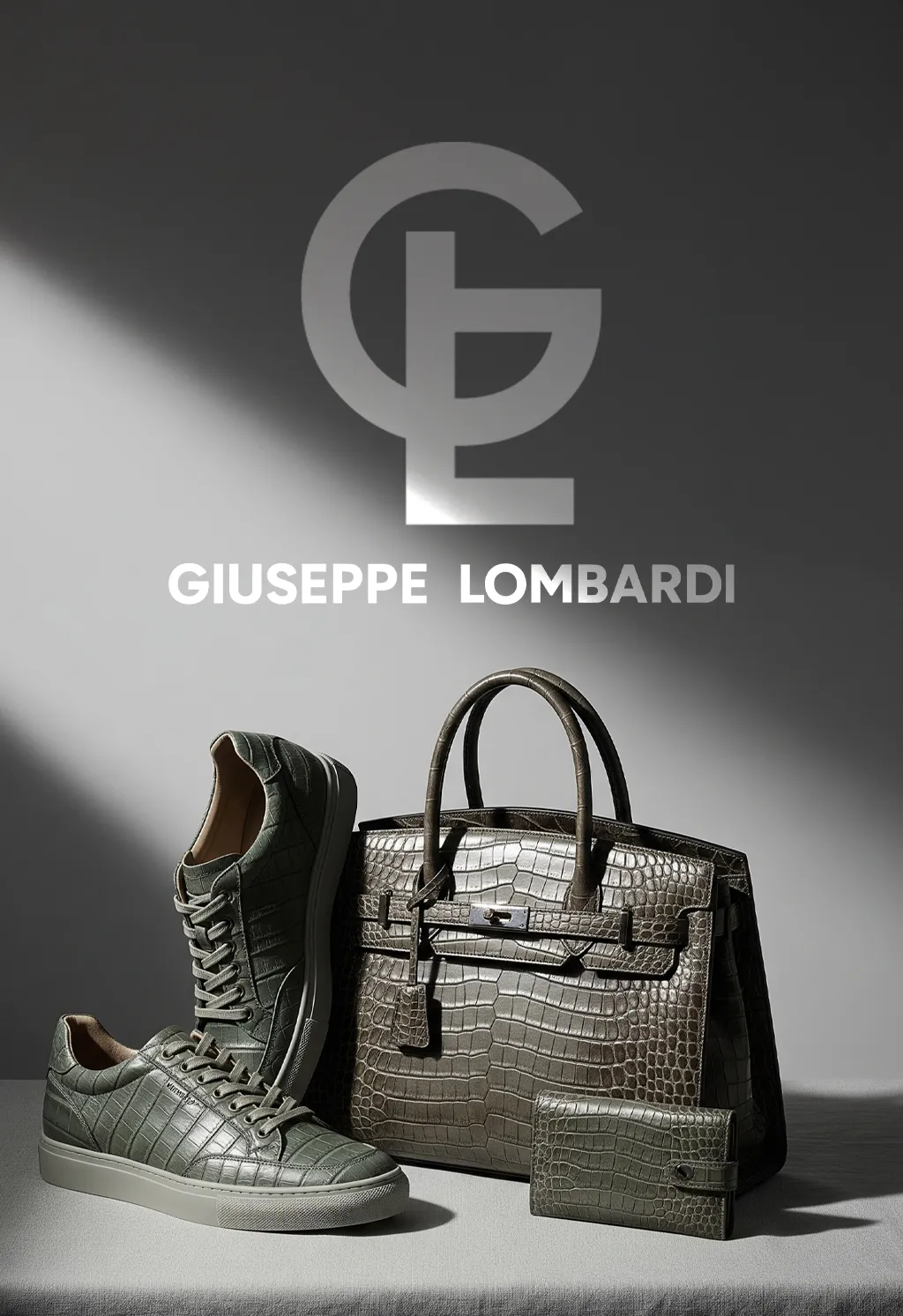
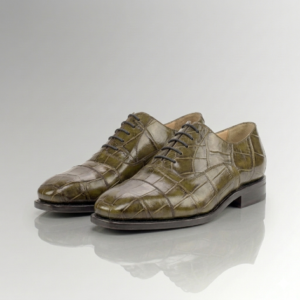
When inspecting crocodile or alligator leather, look closely at the scale pattern. Authentic scales will vary slightly in size and shape, with natural imperfections that tell the story of the animal’s life. The scales should have depth and dimension, with each tile-like segment rising naturally from the surface. Run your fingers gently across the leather; genuine crocodile skin has a tactile quality where you can feel each individual scale. Counterfeit versions often feature overly uniform patterns created through embossing, which may look convincing but lack the subtle variations and three-dimensional quality of authentic skins.
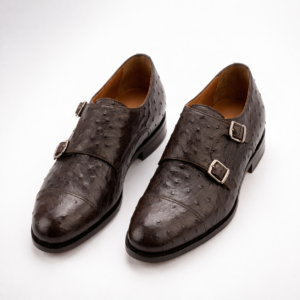
For ostrich leather, authentication focuses on the distinctive quill follicles—the bumps where feathers once grew. In genuine ostrich leather, these follicles should be randomly distributed with varying sizes and heights. The leather between follicles should be soft and supple, with natural grain variations. Fake ostrich leather typically displays mechanically uniform bumps arranged in suspiciously regular patterns, and the base leather often feels artificially stiff or plastic-like.
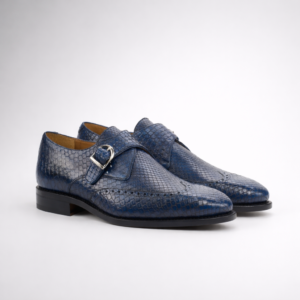
Python leather authentication requires attention to the scale edges and color gradations. Authentic python scales have slightly raised edges that you can feel, and the natural coloring shows organic transitions rather than stark, painted-on patterns. The belly scales differ noticeably from the back scales in genuine python skin, whereas imitations often show consistent patterning throughout.
Examining Construction Quality and Craftsmanship
Beyond the leather itself, the construction quality of a luxury item provides crucial authentication clues. Giuseppe Lombardi and other prestigious exotic leather brands invest tremendous attention in every aspect of craftsmanship—details that counterfeiters consistently struggle to replicate.
Begin by examining the stitching. Authentic luxury exotic leather goods feature perfectly even, tight stitching with consistent tension throughout. The thread should be high-quality waxed material that matches or deliberately contrasts with the leather color