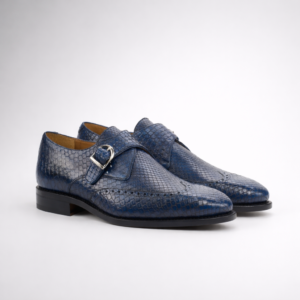
“`html
The Art of Exotic Leather Tanning: From Raw Hide to Luxury Masterpiece
Published on 2025-01-11 | Reading time: 6 minutes
Introduction
Behind every exquisite exotic leather handbag, wallet, or accessory lies a centuries-old craft that transforms raw animal hides into supple, durable, and breathtakingly beautiful luxury goods. The tanning process is where science meets artistry, requiring exceptional skill, patience, and dedication to detail. At Giuseppe Lombardi, we honor these traditional techniques while incorporating modern innovations to create exotic leather goods that represent the pinnacle of luxury craftsmanship.
Understanding how exotic leathers are tanned not only deepens your appreciation for these magnificent pieces but also illuminates why authentic luxury leather goods command their prestigious position in the world of high fashion. From the initial preservation stages to the final finishing touches, each step in the tanning process contributes to the distinctive character, longevity, and unparalleled quality that defines exotic leather.
The Fundamental Stages of Exotic Leather Tanning
The transformation of raw exotic hides into premium leather is a meticulous process that typically spans several weeks to months, depending on the species and desired finish. Unlike conventional leather tanning, exotic skins require specialized techniques that preserve their unique natural patterns while ensuring durability and flexibility.
Preparation and Preservation
The tanning journey begins immediately after the hide is procured. Raw exotic skins are extremely perishable and must be preserved quickly to prevent deterioration. The initial preservation typically involves one of three methods: salting, which draws out moisture; chilling, for immediate processing; or curing with specialized solutions. For exotic leathers like crocodile and alligator, preservation is particularly critical as the scales and natural texture must remain intact throughout the entire process.
Once preserved, the hides undergo thorough cleaning and soaking to remove salt, blood, dirt, and any foreign materials. This rehydration process, which can take 12-24 hours, returns the hide to its original supple state and prepares it for the subsequent stages. Master tanners carefully monitor water temperature, pH levels, and soaking duration, as exotic skins like python and stingray have vastly different properties than traditional cowhide.
Liming and Fleshing
Following the initial cleaning, hides enter the liming stage, where they’re treated with alkaline solutions containing calcium hydroxide. This crucial phase serves multiple purposes: it removes hair and remaining epidermis, opens up the fiber structure of the skin, and prepares the hide to accept tanning agents. For exotic leathers, this process requires extraordinary precision—crocodile belly skin, for instance, must be handled with exceptional care to maintain the integrity of its distinctive rectangular scaling pattern.
After liming, the hides undergo fleshing, where any remaining flesh, fat, and tissue are mechanically removed from the underside. Skilled artisans perform this delicate operation, as excessive pressure can damage the precious scales or natural grain of exotic skins. The hide is then delimed using weak acids or enzymes to neutralize the alkaline substances and further soften the leather fibers, creating the foundation for exceptional suppleness in the finished product.
The Tanning Process: Chemistry Meets Artistry
Tanning is