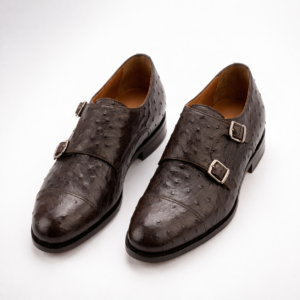
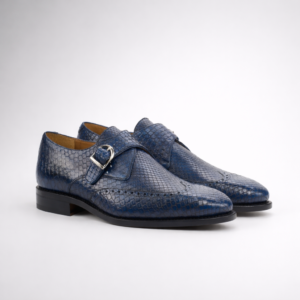
“`html
The Ultimate Guide to Authenticating Exotic Leather Goods: Expert Tips from Giuseppe Lombardi
Published on 2025-01-27 | Reading time: 6 minutes
Introduction
In the world of luxury fashion, few materials command the prestige and price point of exotic leather goods. From crocodile handbags to python wallets, these exceptional pieces represent the pinnacle of craftsmanship and exclusivity. However, with high value comes high risk—the market for counterfeit exotic leather goods has grown increasingly sophisticated, making authentication more crucial than ever.
At Giuseppe Lombardi, we’ve spent decades perfecting the art of working with the world’s finest exotic leathers. Our expertise has taught us that discerning genuine exotic leather from imitations requires knowledge, attention to detail, and an understanding of the unique characteristics that make each material special. Whether you’re considering your first luxury exotic leather purchase or expanding your collection, this comprehensive guide will equip you with the essential knowledge to authenticate exotic leather goods with confidence.
Understanding Scale Patterns: Nature’s Unique Fingerprint
One of the most reliable methods for authenticating exotic leather is examining the scale patterns, as nature never repeats itself exactly. Genuine exotic leather displays irregular, asymmetrical patterns that vary across the entire surface of the material.
Crocodile and Alligator Leather Authentication
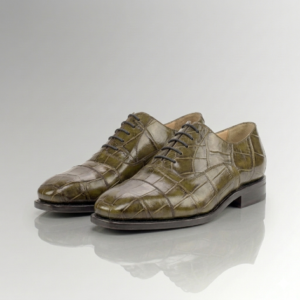
Authentic crocodile and alligator leather features distinctive umbilical scars on the belly skin, appearing as a series of small dots or pores arranged in patterns unique to each hide. These follicle patterns are impossible to replicate artificially. When examining a crocodile leather piece, look for natural variations in scale size—scales should gradually transition from smaller to larger as you move across the hide. Counterfeit versions typically display uniform, repetitive patterns created by embossing ordinary leather or synthetic materials.
The edges of genuine crocodilian scales have a subtle three-dimensional quality, with natural depth and texture that catches light differently at various angles. Run your fingers gently across the surface; authentic exotic leather should feel supple yet structured, with each scale distinctly perceptible to touch. Fakes often feel either too stiff or unnaturally soft, lacking the balanced resilience of genuine material.
Python and Snake Leather Verification
Python leather presents its own authentication challenges. Genuine python skin displays a natural gradient in scale size, with larger scales typically centered along the spine and smaller scales toward the edges. The diamond-shaped patterns should appear organic and irregular, never perfectly symmetrical. Look closely at the scale edges—authentic python leather shows natural separation between scales, while embossed imitations display a continuous surface with printed patterns.
Texture, Touch, and Tactile Authentication
Beyond visual inspection, the tactile experience of genuine exotic leather provides crucial authentication clues that counterfeiters struggle to replicate.
The Temperature Test
Genuine exotic leather responds to temperature like living skin once did. When you place your hand on authentic crocodile, alligator, or python leather, it should feel cool initially, then gradually warm to match your body temperature. Synthetic materials and embossed leather typically feel room temperature immediately and may have a slightly plasticky warmth. This simple test can be performed discreetly when examining potential purchases.