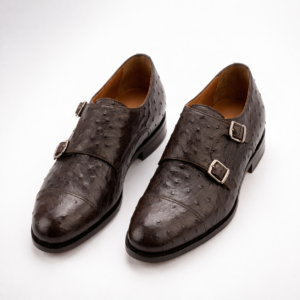
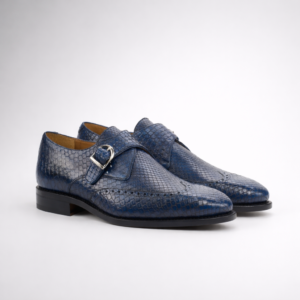
“`html
The Art of Exotic Leather Tanning: From Raw Hide to Luxury Masterpiece
Published on 2025-01-14 | Giuseppe Lombardi Luxury Leather Goods
When you hold a Giuseppe Lombardi crocodile handbag or slip on a pair of python leather boots, you’re experiencing the culmination of an ancient craft that has been refined over centuries. The journey from raw exotic hide to supple, luxurious leather is a fascinating blend of traditional artistry and modern precision—a process that separates truly exceptional leather goods from their inferior counterparts.
The tanning of exotic leathers is far more complex than processing conventional cowhide. Each species—whether crocodile, alligator, python, ostrich, or stingray—possesses unique characteristics that demand specialized knowledge and techniques. Understanding this intricate process not only deepens your appreciation for luxury leather goods but also illuminates why authentic, expertly-tanned exotic leathers command premium prices in the fashion world.
The Foundation: Preparation and Preservation
The tanning process begins long before the hide reaches the tannery. For exotic leathers, the initial hours after harvesting are critical. Unlike cattle hides, exotic skins are more delicate and susceptible to bacterial degradation, requiring immediate attention to preserve their integrity.
The first step involves careful removal of flesh, fat, and membrane from the hide’s underside—a process called fleshing. For species like crocodile and alligator, this must be performed with exceptional precision to avoid damaging the valuable belly scales that will become the centerpiece of luxury accessories. The hides are then subjected to curing, typically through salting or, in some cases, refrigeration, which prevents decomposition during transport to specialized tanneries.
Once at the tannery, the hides undergo soaking in clean water mixed with enzymatic solutions. This crucial rehydration phase can last anywhere from 12 to 48 hours, depending on the leather type and its condition. The process reverses the effects of salting and restores the hide’s pliability, preparing it for the transformative stages ahead.
Liming follows soaking—a process where hides are immersed in alkaline solutions to remove remaining proteins, hair, and scales from the surface. For python and other reptilian leathers, this step requires careful monitoring, as the unique scale patterns that make these skins desirable can be compromised by over-liming. Master tanners at establishments that supply brands like Giuseppe Lombardi understand that each hide tells them when it’s ready to progress to the next stage.
The Transformation: Chrome and Vegetable Tanning Methods
The actual tanning—the chemical process that converts perishable hide into stable leather—represents the heart of the craft. Two primary methods dominate exotic leather tanning, each offering distinct advantages for different applications and leather types.
Chrome tanning has become the industry standard for most exotic leathers, particularly those destined for luxury fashion accessories. This method involves treating the prepared hides with chromium salts in large rotating drums. The process is remarkably efficient, typically requiring only 24 hours to complete, and produces leather that is soft, supple, and receptive to vibrant dyes. For python and crocodile leathers, chrome tanning preserves the natural flexibility that makes these materials ideal for handbags, wallets, and shoes that must withstand daily use while maintaining their elegant appearance.
The chrom