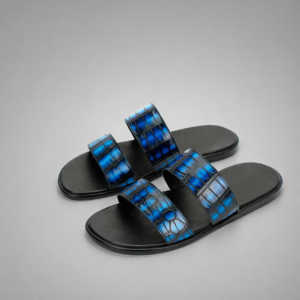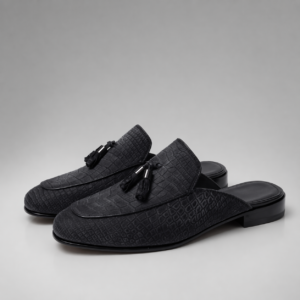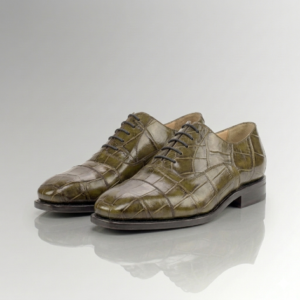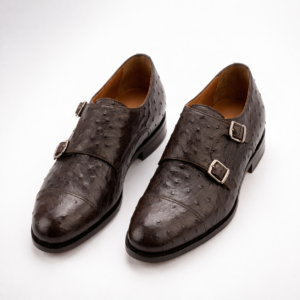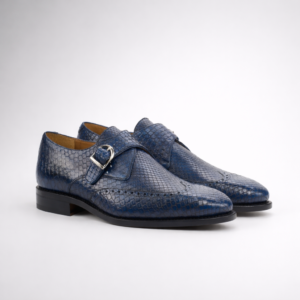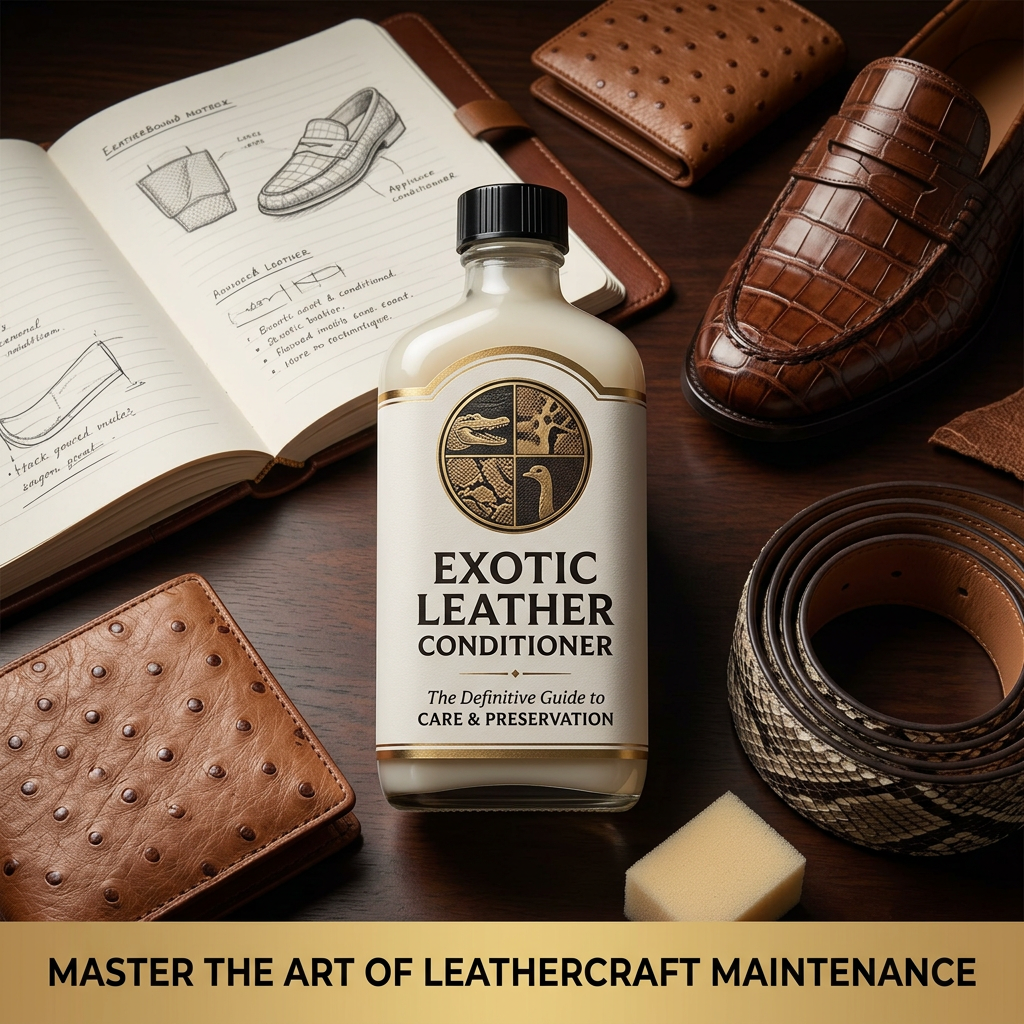
Exotic leather is a smart investment. Whether you have ostrich cowboy boots, a crocodile wallet, or a stingray belt, proper care is key to their longevity. Most advice is for cowhide, but exotic skins need special care.
This guide, with tips from Giuseppe Lombardi’s experts, explains how to care for different exotic leathers.
Why Exotic Leather Needs Special Care
Regular cowhide conditioners have oils like mink or neatsfoot oil. These can darken exotic skins, clog textures, or damage tanning agents. Conditioning exotic leather should hydrate without changing its color, shine, or texture.
Crocodile & Alligator Leather
What to use: Use a pH-neutral, water-based leather conditioner. Avoid oil-based products. Saphir Reptile Cream and Woly Reptil Creme are popular with luxury leather experts.
How often: Condition every 3–6 months with regular use, more often in dry climates or after water exposure.
Method: Apply a small amount with a soft cloth in circles. Focus on the edges where dryness starts. Let it absorb for 15–20 minutes, then buff lightly.
What to avoid: Avoid direct sunlight during conditioning, silicone-based products, and conditioners with petroleum derivatives. Never use shoe polish; it fills the scale texture and ruins the natural look.
Ostrich Leather
Ostrich leather, naturally oily, is very durable. It needs less frequent conditioning than other exotic skins.
What to use: Use a light, water-based conditioner or a special ostrich leather cream. Handle the raised quill follicles gently; never rub hard.
How often: Condition every 6–12 months for normal use.
Method: Apply with a soft brush to reach around the raised bumps without flattening them. Let it absorb, then buff gently with a clean cloth.
What to avoid: Avoid silicone sprays that coat the follicles and make them stiff over time.
Python & Exotic Reptile Leathers
Python and other snake leathers have prominent scales and need careful conditioning to prevent curling or lifting.
What to use: Use a very light reptile-specific conditioner. Apply sparingly; too much can lift the scales.
How often: Condition every 6 months. Properly stored python leather rarely needs frequent conditioning.
Method: Apply sparingly with a cotton pad, following the direction of the scales. Let it absorb fully before storing.
Stingray (Shagreen) Leather
Stingray leather is tough, with a pebbly surface that’s hard to scratch. However, it can dry out and lose its shine without care.
What to use: Use a specially formulated shagreen conditioner or a light neutral cream. Avoid anything that could fill the tiny pebbles on its surface.
How often: Condition every 6–12 months, or when the surface looks dull.
Method: Apply with a very soft cloth or fingertip in gentle circles. The goal is to restore shine, not deeply penetrate, as stingray leather absorbs slowly.
Universal Rules for Exotic Leather Care
No matter the type of skin, these rules apply:
- Always test any new product on a hidden area first.
- Store exotic leather in breathable dust bags, away from direct light.
- Never use household cleaners, alcohol wipes, or baby wipes on exotic leather.
- If an item gets wet, let it dry naturally at room temperature, never use heat.
- For serious restoration or deep conditioning, consult a professional leather specialist.
When to See a Professional
Cracking, significant color fading, scale lifting, or stiffness that doesn’t improve with conditioning means it’s time for professional restoration. At Giuseppe Lombardi, we offer care advice for all pieces bought from our collection. A well-maintained exotic leather piece should only need occasional expert attention, never replacement.
Browse our collection and invest in leather that, with the right care, becomes more beautiful over time.
FAQ
Can I use coconut oil on exotic leather?
No. Natural oils like coconut, olive, or baby oil can cause irreversible darkening and damage the tanning on exotic skins. Always use purpose-made leather conditioners.
My ostrich boots look dry, how do I know if they need conditioning?
Press your thumbnail gently against the leather. If it leaves a white mark that doesn’t vanish quickly, the leather needs conditioning.
How do I store exotic leather goods between uses? In a breathable fabric dust bag (never plastic), away from heat and direct light. Stuff bags and wallets with acid-free tissue to maintain their shape.
Understanding Exotic Leather Conditioner Guide: A Deep Dive into Luxury Craftsmanship
In luxury fashion, the Exotic Leather Conditioner Guide is the peak of craftsmanship and exclusivity. Enthusiasts, collectors, and connoisseurs know that investing in these high-quality materials requires understanding their unique properties. The careful process of creating custom pieces from these skins is rooted in tradition, ensuring every detail, from the first cut to the final stitch, is perfect.
The Enduring Importance of Exotic Leather Conditioner Guide in Modern High-End Fashion
In today’s fast-paced, mass-produced world, the appreciation for Exotic Leather Conditioner Guide keeps growing. Discerning buyers and style icons seek these rare pieces that stand out with their textures and offer durability. It’s essential to recognize the careful care that goes into these luxury items. From ethical sourcing of raw skins to the final hand-polished finish, every step shows the artisan’s dedication. By understanding and maintaining your Exotic Leather Conditioner Guide, you ensure it remains a valued part of your collection for years.
Ethical Sourcing, Global Conservation, and Sustainability
As demand for Exotic Leather Conditioner Guide grows, the focus on ethical sourcing and sustainability is crucial. Top luxury brands ensure all materials comply with international wildlife regulations, like those by CITES (the Convention on International Trade in Endangered Species of Wild Fauna and Flora). This commitment to sustainability protects species and habitats and supports local communities involved in the legal trade. For more on our commitment to ethical practices and craftsmanship, visit Our Story.
How to Impeccably Style and Protect Your Luxury Investment
Styling Exotic Leather Conditioner Guide requires an eye for elegance and sophistication. Whether showcasing hand-welted shoes, a custom belt, or a luxury handbag, these accessories elevate any wardrobe. Protecting these investments is as important as wearing them. Store items in a cool, dark, dry place, using cotton dust bags. Use high-grade leather conditioners to maintain their texture and shine. For the latest trends, collections, and luxury items, explore our New Arrivals.
The allure of Exotic Leather Conditioner Guide lies in its timeless appeal. By understanding its origins, crafting process, and care, you ensure your luxury items remain stunning and sound as the day you got them.