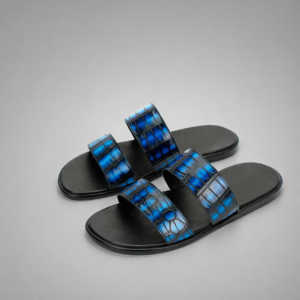
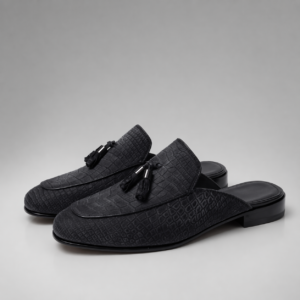
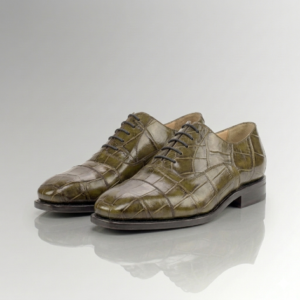
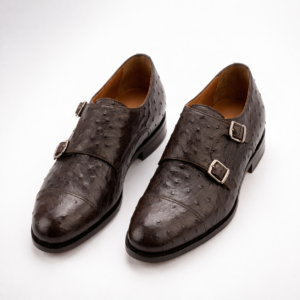
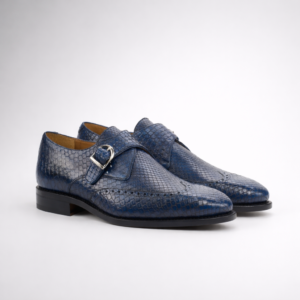
Stingray leather is unique in the world of exotic leathers. Known as galuchat in Japanese craftsmanship, it has been prized for centuries. Its unmatched hardness, wear resistance, and natural texture make it special. This material fascinates both artisans and consumers, leaving its mark in luxury markets, both past and present.
A Unique Surface
Stingray skin has tiny, bead-like nodules that feel like both leather and stone. This surface resists scratches, water, and wear, making it practical and beautiful. The nodule patterns create a shimmering effect that reflects light in a special way. It’s no wonder stingray leather is a top choice for high-end products needing durability and beauty.
A Long Tradition
For centuries, stingray leather was used in Japanese sword handles and armor for its firm grip. European luxury brands adopted it in the 1700s for small goods and decorative panels. This shift from practical use to a symbol of sophistication shows its versatility. Today, it honors tradition and stands for quality and style. Designers keep innovating with this ancient material. Learn more about our heritage at Our Story.
Stingray at Giuseppe Lombardi
At Giuseppe Lombardi, we carefully select stingray hides, focusing on uniform nodule patterns. Each piece is hand-finished to enhance its natural shine. The result is an accessory that combines ancient durability with modern elegance. Lombardi’s attention to detail makes each creation functional and artistic, treasured by those who appreciate fine things. Whether in a handbag or wallet, stingray leather from Giuseppe Lombardi shows a commitment to quality and distinction. Check out our latest offerings in New Arrivals.
Understanding Stingray Leather: A Look into Luxury Craftsmanship
In luxury fashion, Stingray Leather is the peak of craftsmanship and exclusivity. Enthusiasts and collectors know that investing in such premium materials requires understanding their unique properties. The process of creating masterpieces from these skins is steeped in tradition, ensuring every detail, from the first cut to the last stitch, is perfect.
The Importance of Stingray Leather in Modern Fashion
In today’s fast-paced world, the appreciation for Stingray Leather keeps growing. Buyers and style icons seek these rare pieces for their striking textures and durability. It is crucial to recognize the care in producing these luxury items. From ethical sourcing to the final polish, every step shows the artisan’s dedication. By understanding and maintaining your Stingray Leather, it remains a valued part of your collection for years.
Ethical Sourcing and Sustainability
As demand for Stingray Leather rises, ethical sourcing and sustainability are vital. Top luxury brands ensure their materials comply with wildlife regulations, like those by CITES. This commitment protects species and supports local communities involved in legal trade. For more on our ethical practices, visit Our Story.
How to Style and Protect Your Investment
Styling Stingray Leather requires an eye for elegance. Whether showcasing shoes, a belt, or a handbag, these accessories elevate any wardrobe. Protecting these investments is as important as wearing them. Store items in a cool, dark place with breathable dust bags. Use high-grade leather conditioners to keep their texture and shine. For the latest trends and luxury items, explore our New Arrivals.
The allure of Stingray Leather lies in its timeless appeal. By understanding its origins, crafting process, and care, you ensure your luxury items stay stunning and sound as the day you got them.