“`html
The Art of Exotic Leather Tanning: From Raw Hide to Luxury Masterpiece
Published on 2025-01-17 | Giuseppe Lombardi Luxury Leather Goods
Introduction: The Alchemy Behind Luxury
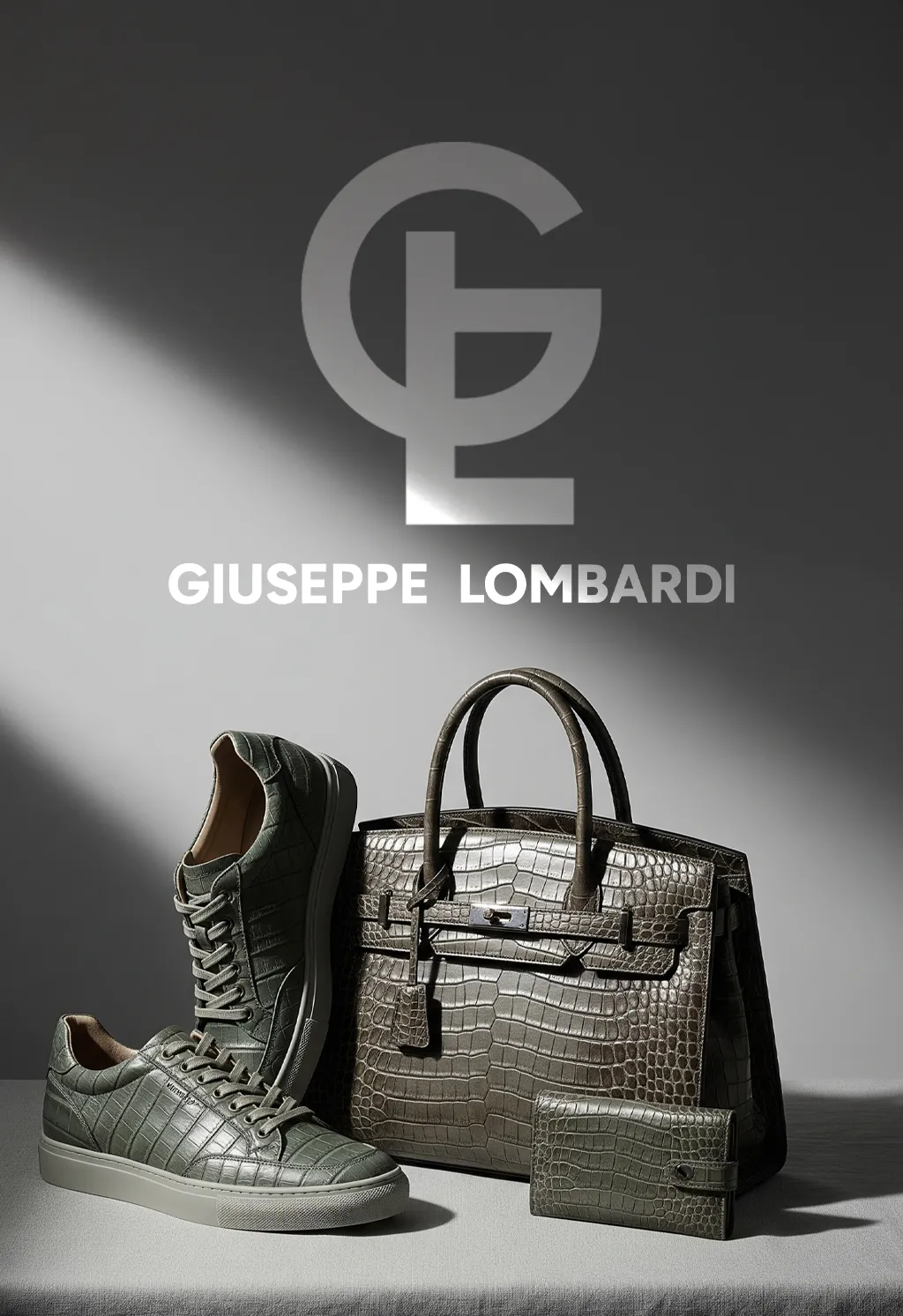
When you hold a Giuseppe Lombardi handbag crafted from exquisite crocodile or python leather, you’re experiencing the culmination of an ancient craft that has been refined over millennia. The transformation of raw exotic hides into supple, durable, and breathtakingly beautiful leather is nothing short of alchemy—a complex process that requires extraordinary skill, patience, and precision.
Unlike conventional leather tanning, exotic leather processing demands specialized techniques that honor the unique characteristics of each species while ensuring the finished product meets the exacting standards expected from luxury leather goods. Understanding this journey from hide to handbag not only deepens appreciation for these magnificent pieces but also illuminates why authentic exotic leather commands such prestige in the world of high fashion.
The Foundation: Preparation and Preservation
The tanning journey begins long before chemicals and dyes come into play. The initial preparation phase is critical in determining the final quality of exotic leather. Once raw hides arrive at specialized tanneries—often within hours of sourcing to prevent degradation—they undergo meticulous inspection to assess quality, identify any imperfections, and determine the most suitable tanning method.
The first crucial step is preservation through curing, typically using salt to remove moisture and prevent bacterial growth. For exotic skins like python and crocodile, this process requires particular attention, as the unique scale patterns and skin structure demand different salt concentrations and application techniques compared to traditional cowhide.
Following preservation, the hides undergo soaking in water to rehydrate the skin and remove the curing salts. This rehydration phase is carefully controlled, as exotic skins can be more delicate than conventional leathers. Master tanners monitor temperature, duration, and water chemistry to ensure the skin returns to a workable state without compromising its structural integrity or distinctive natural patterns.
The subsequent liming process removes hair, scales (in certain areas), and unwanted proteins while opening up the fiber structure of the hide. For exotic leathers, this step requires exceptional precision—crocodile belly scales, for instance, must be preserved intact while surrounding tissue is processed. This delicate balance distinguishes expert exotic leather tanning from standard leather processing.
The Transformation: Tanning Methods for Exotic Leathers
The actual tanning process—which permanently alters the protein structure of the hide to make it durable and resistant to decomposition—represents the heart of leather creation. Two primary methods dominate exotic leather tanning: vegetable tanning and chrome tanning, each offering distinct advantages for different exotic skin types.
Vegetable Tanning: Time-Honored Tradition
Vegetable tanning employs natural tannins extracted from tree bark, leaves, and fruits—a method dating back thousands of years. This process can take several months, as hides are gradually immersed in increasingly concentrated tannin solutions. The result is leather with a distinctive patina, exceptional breathability, and a firmness that makes it ideal for structured pieces like briefcases and belts.
For exotic leathers such as ostrich and certain python skins, vegetable tanning enhances the natural texture while creating a product that ages beau