# The Art of Authenticating Exotic Leather Goods: A Comprehensive Guide
The Art of Authenticating Exotic Leather Goods: A Comprehensive Guide
In the world of luxury fashion, few materials command the respect and admiration that exotic leathers do. From crocodile to python, these exceptional materials represent the pinnacle of craftsmanship and exclusivity. However, with the rising popularity of exotic leather goods comes an unfortunate reality: the proliferation of counterfeit products that deceive even discerning collectors.
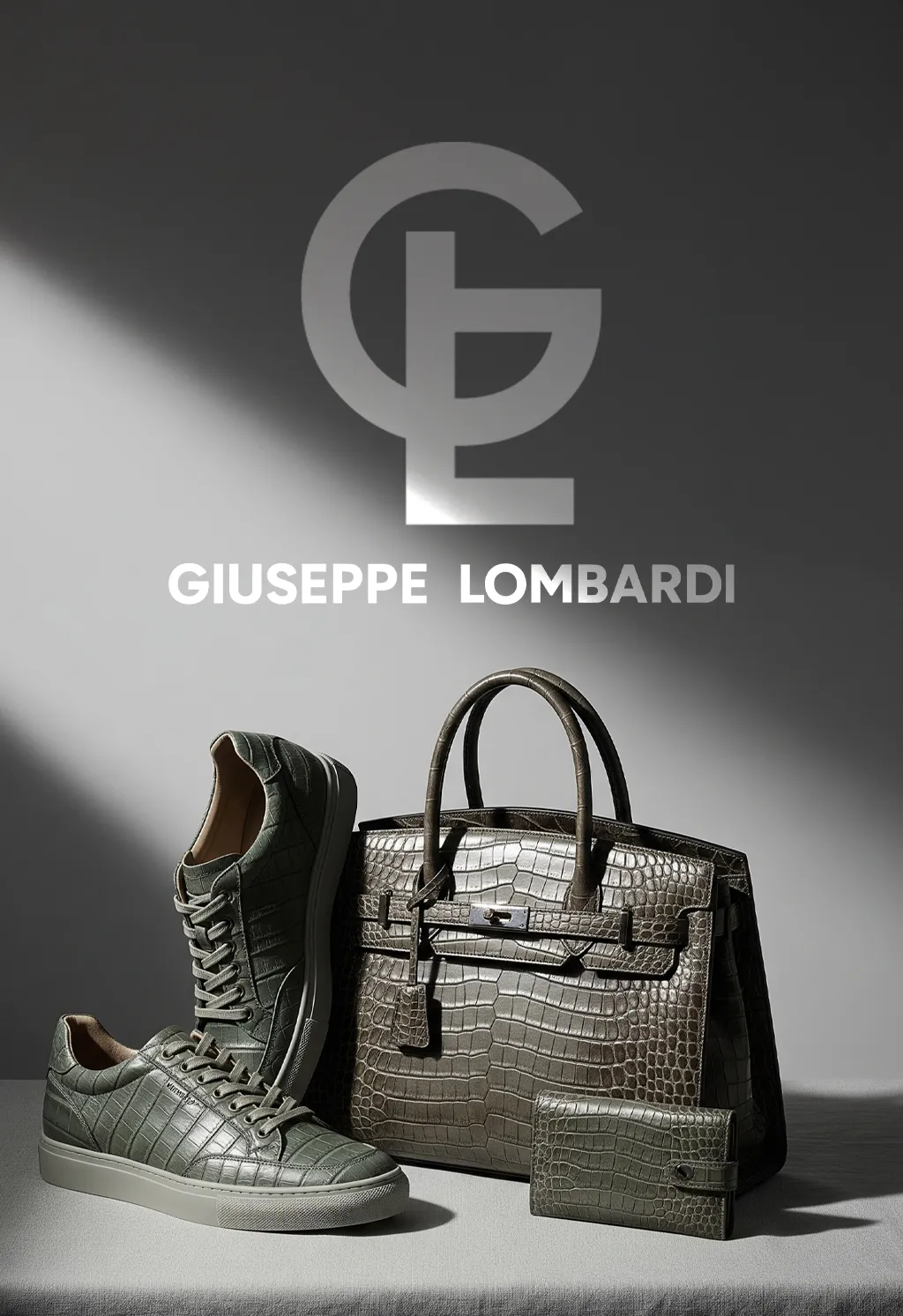
At Giuseppe Lombardi, we understand that investing in exotic leather pieces represents both a financial commitment and an appreciation for artisanal excellence. Whether you’re purchasing a python clutch, an alligator briefcase, or a stingray wallet, knowing how to authenticate genuine exotic leather is essential. This comprehensive guide will equip you with the knowledge to distinguish authentic luxury pieces from inferior imitations, ensuring your investment maintains its value and integrity.
Understanding the Hallmarks of Genuine Exotic Leather
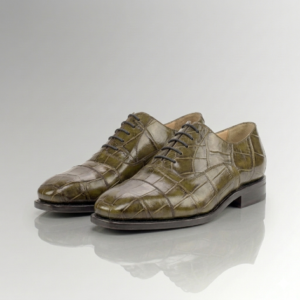
Authentic exotic leather possesses distinctive characteristics that are virtually impossible to replicate convincingly. The first and most crucial element is the pattern irregularity. Genuine exotic leathers display natural variations in their scale patterns, pore structures, and colorations. Unlike embossed or printed imitations that show repetitive, uniform patterns, authentic crocodile skin features scales that vary in size and shape, with each tile forming unique borders and contours.
Temperature response offers another reliable authentication method. Real exotic leather reacts to your body temperature, warming quickly when touched and maintaining that warmth. Synthetic materials or coated imitations typically feel cool or plasticky and don’t respond naturally to temperature changes. When examining a piece at Giuseppe Lombardi or any reputable dealer, hold the leather in your hands for 30-60 seconds—genuine exotic leather should feel increasingly supple and warm.
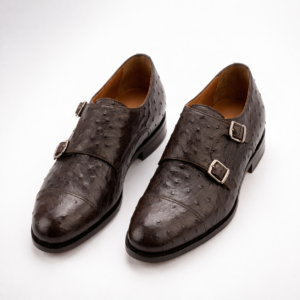
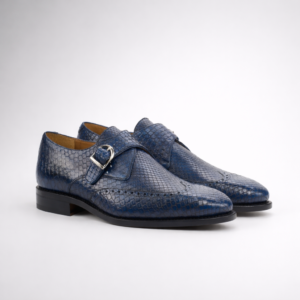
The texture of authentic exotic leather tells its own story. Run your fingers across the surface: genuine python should have a slightly raised scale edge, authentic ostrich displays raised follicle bumps where feathers once grew, and crocodile leather shows tactile depth in its scale pockets. Printed or embossed imitations may look convincing to the eye, but they lack the three-dimensional texture that touch immediately reveals.
Examining Construction and Craftsmanship Details
The quality of construction serves as a powerful indicator of authenticity. Luxury houses like Giuseppe Lombardi invest considerable expertise in working with exotic leathers, which require specialized techniques different from common leather crafting. Examine the edges of the product carefully—genuine exotic leather goods feature hand-finished edges that showcase the material’s natural cross-section. Counterfeiters often use painted or bound edges to conceal cheap materials underneath.
Stitching quality provides another authentication checkpoint. Authentic luxury exotic leather goods feature consistent, precise stitching, typically done by hand or with specialized machinery. Count the stitches per inch along seams; high-quality pieces maintain uniformity throughout. Additionally, observe where seams are placed—master craftsmen strategically position seams to maximize the beauty of the exotic leather’s natural pattern while ensuring structural integrity. Awkward seam placement often indicates mass production or counterfeit manufacturing.
Hardware and internal components deserve equal scrutiny. Genuine luxury exotic leather goods incorporate high-quality metal fixtures, zippers, and clasps that bear the brand’s logo or hallmark. Giuseppe Lombardi pieces, for instance, feature proprietary hardware with specific weight, finish, and engraving depth. Research your brand’s specific hardware characteristics before purchasing, and be wary of lightweight, poorly finished, or generic-looking metal components that suggest counterfeit production.
Documentation, Sourcing, and Legal Compliance
Legitimate exotic leather goods come with proper documentation proving legal sourcing and CITES (Convention on International Trade in Endangered Species) compliance. Reputable brands maintain complete transparency about their supply chains and readily provide authentication certificates. When purchasing from Giuseppe Lombardi, customers receive comprehensive documentation including the species used, country of origin, and