“`html
How to Authenticate Exotic Leather Goods: A Comprehensive Expert Guide
Published: 2025-01-26 | Giuseppe Lombardi Luxury Leather Insights
Introduction: The Importance of Authentication in Luxury Exotic Leather
In the world of luxury fashion, few materials command the prestige and price point of genuine exotic leather. From exquisite crocodile handbags to sophisticated python accessories, authentic exotic leather goods represent the pinnacle of craftsmanship and exclusivity. However, with the increasing sophistication of counterfeit products flooding the market, knowing how to authenticate exotic leather has become an essential skill for discerning collectors and luxury enthusiasts.
At Giuseppe Lombardi, we’ve dedicated decades to mastering the art of working with the world’s finest exotic leathers. Our commitment to authenticity means we’ve developed an expert eye for distinguishing genuine exotic leather from imposters. In this comprehensive guide, we’ll share professional insights that will empower you to confidently authenticate exotic leather goods, protecting your investment and ensuring you acquire only the finest genuine pieces.
Whether you’re considering your first luxury exotic leather purchase or expanding an established collection, understanding authentication techniques is crucial in today’s marketplace where counterfeit items can be remarkably convincing at first glance.
Understanding Natural Scale Patterns and Texture
The most fundamental aspect of authenticating exotic leather lies in examining the natural scale patterns. Genuine exotic leather possesses unique, irregular patterns that cannot be perfectly replicated through embossing or printing techniques commonly used in counterfeit production.
Crocodile and Alligator Leather Authentication
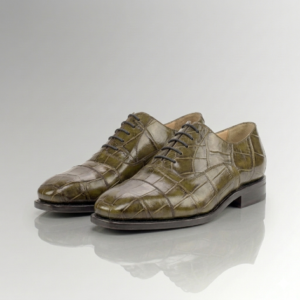
Authentic crocodilian leather displays distinct characteristics that sophisticated forgers struggle to reproduce. Each scale should have a slightly different size and shape, creating an organic, asymmetrical pattern. Look closely at the scale edges—genuine crocodile leather features natural variations in depth and definition, with some scales appearing more pronounced than others.
The sensory pore located at the center of each scale is a critical authentication marker. In authentic crocodile or alligator leather, these pores vary in size, depth, and exact positioning. Counterfeit versions often display uniformly placed pores or may lack them entirely. Run your fingertips across the surface; genuine crocodilian leather has a substantial, textured feel with scales that you can distinctly sense, whereas embossed imitations often feel superficially stamped.
Python Leather Verification
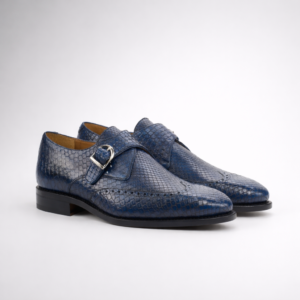
Python leather presents its own distinctive authentication challenges. Genuine python skin exhibits natural color gradations within each scale, transitioning from lighter centers to darker edges. The scale pattern flows organically across the leather without repetitive patterns—a telltale sign of printed fakes. Authentic python leather also maintains flexibility while feeling substantial, never appearing paper-thin or overly stiff like many counterfeits.
Ostrich Leather Identification
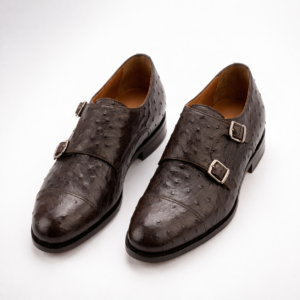
Ostrich leather’s characteristic quill follicles provide perhaps the most distinctive authentication feature among exotic leathers. Genuine ostrich leather displays raised, dome-shaped follicles distributed randomly across the surface. These quills should feel substantial and naturally varied in size. Counterfeit ostrich leather typically uses embossed patterns that appear too uniform and lack the genuine three-dimensional quality of real quill follicles.
Examining Construction Quality and Craftsmanship