“`html
How to Authenticate Exotic Leather Goods: Your Essential Guide to Identifying Genuine Luxury
Published on 2025-01-17 | By Giuseppe Lombardi
Introduction
In the world of luxury fashion, exotic leather goods represent the pinnacle of craftsmanship and sophistication. From crocodile handbags to python wallets, these premium accessories command impressive prices and offer unparalleled beauty. However, with high value comes high risk—the market is flooded with counterfeit products that can deceive even discerning buyers. At Giuseppe Lombardi, we believe that understanding how to authenticate exotic leather goods is essential for anyone investing in luxury accessories.
Whether you’re purchasing your first exotic leather piece or expanding an established collection, knowing how to distinguish genuine exotic leather from imitations protects your investment and ensures you’re acquiring true luxury. This comprehensive guide will equip you with the knowledge and techniques used by industry experts to verify authenticity, helping you make confident, informed purchasing decisions.
Understanding the Fundamental Characteristics of Genuine Exotic Leather
Authentic exotic leather possesses unique characteristics that are nearly impossible to replicate convincingly. The first indicator of genuine exotic leather lies in its natural irregularities. Unlike embossed or printed imitations, real exotic skins feature asymmetrical patterns, variations in scale size, and natural imperfections that tell the story of the animal’s life.
When examining crocodile or alligator leather, look for the follicle pores—tiny holes where scales once connected to the skin. These pores should be randomly distributed and vary in size. Genuine crocodile leather displays a distinctive pattern where the scales have sensory nodes that create small dots or indentations within each scale tile. This umbilical marking is one of the most reliable indicators of authenticity and cannot be artificially reproduced with the same three-dimensional depth.
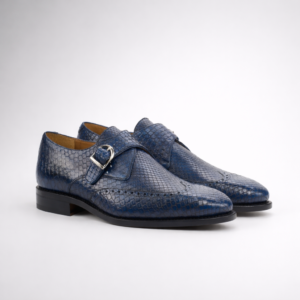
Python leather presents its own unique signatures. Authentic python skin features a raised, three-dimensional scale pattern with visible edges that you can feel when running your fingers across the surface. The coloring should penetrate through the skin rather than sitting on top, and when you flex the leather gently, you’ll notice natural creasing between the scales. Counterfeit python typically uses embossed cowhide with printed patterns that lack this dimensional quality and feel flat to the touch.
Temperature response is another telling factor. Genuine exotic leather will feel cool to the touch initially and gradually warm as it absorbs your body heat. Synthetic materials and imitations tend to feel either perpetually warm or remain consistently cool, never achieving that natural temperature transition that occurs with authentic animal skin.
The Touch and Smell Test: Sensory Authentication Methods
Your senses are powerful tools in authenticating exotic leather goods. The tactile experience of genuine exotic leather is distinctive and difficult to fake. Real crocodile or alligator leather has a supple yet firm quality—it should feel substantial without being stiff. When you press gently on the surface, it should give slightly and return to its original shape, demonstrating the leather’s natural elasticity.
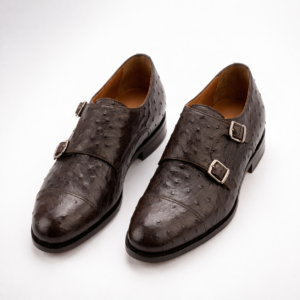
The texture should be consistent with natural skin. Run your hand across the surface, and you should feel the subtle elevation of scales or patterns. With ostrich leather, you’ll feel the distinctive quill bumps that create an unmistakable raised texture. These follicle bumps should be irregular in placement and size, reflecting the natural growth pattern. Embossed leather attempting to mimic ostrich will