“`html
How to Authenticate Exotic Leather Goods: Your Complete Guide to Identifying Genuine Luxury
Published: 2025-01-10 | By Giuseppe Lombardi
In the world of luxury fashion, exotic leather goods represent the pinnacle of craftsmanship and exclusivity. However, with prestige comes imitation. The market for counterfeit exotic leather has grown increasingly sophisticated, making authentication a crucial skill for discerning collectors and enthusiasts. Whether you’re investing in a crocodile handbag, an alligator briefcase, or python accessories, knowing how to distinguish authentic exotic leather from imitations protects both your investment and ensures you’re acquiring the genuine article you deserve.
At Giuseppe Lombardi, we’ve spent decades working with the world’s finest exotic leathers, and we understand that authentication is both an art and a science. This comprehensive guide will equip you with the knowledge to confidently evaluate exotic leather goods and make informed purchasing decisions.
Understanding Natural Pattern Irregularities
The first and most telling sign of authentic exotic leather lies in its natural imperfections. Genuine exotic skins are products of nature, and nature is beautifully irregular. When examining crocodile or alligator leather, observe the scale patterns carefully. Authentic pieces will display variations in scale size, shape, and spacing. No two scales will be perfectly identical, and you’ll notice subtle asymmetries throughout the hide.
Counterfeit exotic leather, typically made from embossed cowhide or synthetic materials, exhibits unnaturally uniform patterns. The scales appear mechanically perfect, with identical spacing and repetitive designs that betray their artificial origins. Run your fingers across the surface—genuine exotic leather has texture variations that correspond to the natural contours of each scale, while embossed imitations feel comparatively flat with artificially created ridges.
Pay particular attention to the edges and seams of the item. Authentic exotic leather will show consistent patterning that flows naturally around curves and corners. Skilled artisans at luxury houses like Giuseppe Lombardi carefully match hide sections to create harmonious patterns, but the underlying irregularity remains. Fakes often show pattern disruptions or obvious repeats where the embossing stamp began and ended.
Examining the Follicle Holes and Pore Structure
One of the most reliable authentication markers in exotic leather is the presence of follicle holes—the tiny pores where hair or bristles once grew. This is particularly evident in crocodile and alligator leather, where each scale center features a distinct pore. These follicle holes are impossible to perfectly replicate through embossing or printing techniques.
Use a magnifying glass or your smartphone camera’s zoom function to examine the leather closely. Genuine crocodile skin will show small, irregular pore openings that penetrate the leather surface. These aren’t merely surface indentations but actual holes that extend into the hide. The positioning of these pores varies naturally across the skin, with some scales having more prominent holes than others.
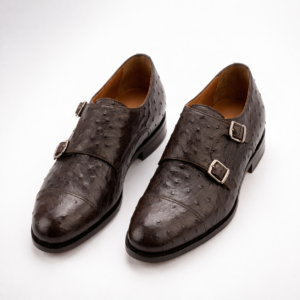
In ostrich leather, the authentication process focuses on the quill follicles—the raised bumps that give ostrich its distinctive appearance. Authentic ostrich leather features quills of varying sizes with deep follicle openings. The pattern is random and organic, with clusters of different densities across the hide. Imitation ostrich will have uniform, shallow bumps that lack the depth and natural variation of genuine quill follicles.
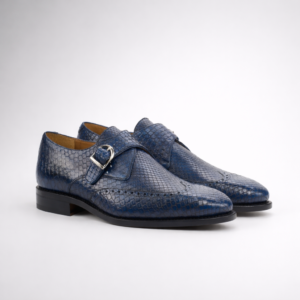
Python leather presents a different follicle pattern altogether. While pythons