“`html
How to Authenticate Exotic Leather Goods: Your Complete Expert Guide
Published on 2025-01-23 | By Giuseppe Lombardi Luxury Leather Experts
Introduction: The Importance of Authentication in Luxury Exotic Leather
In the world of luxury exotic leather goods, authenticity isn’t just about prestige—it’s about investment, craftsmanship, and ethical sourcing. With the global luxury leather market valued at billions of dollars, counterfeit products have become increasingly sophisticated, making authentication more crucial than ever. At Giuseppe Lombardi, we understand that our discerning clientele deserves absolute certainty when investing in exotic leather pieces. Whether you’re purchasing a crocodile handbag, an alligator wallet, or python accessories, knowing how to authenticate these precious materials protects both your investment and supports legitimate artisans and ethical practices.
The challenge of authentication extends beyond simple visual inspection. Today’s counterfeiters employ advanced techniques, including embossing patterns on inferior leathers to mimic exotic skins. This comprehensive guide will equip you with the knowledge to distinguish genuine exotic leather from imitations, ensuring that every piece in your collection represents true luxury and craftsmanship.
Understanding the Hallmarks of Genuine Exotic Leather
Natural Pattern Variations: Nature’s Fingerprint
The most fundamental characteristic of authentic exotic leather is its natural irregularity. Genuine crocodile, alligator, python, and ostrich skins display organic patterns that are never perfectly symmetrical or repetitive. Each scale, follicle, or texture variation tells a unique story. When examining a piece, look for subtle differences in scale size, slight asymmetries, and natural imperfections that machine-embossed leather cannot replicate.
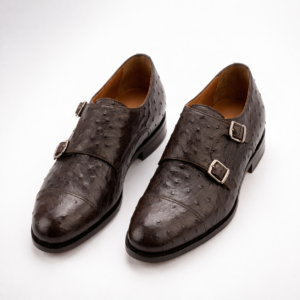
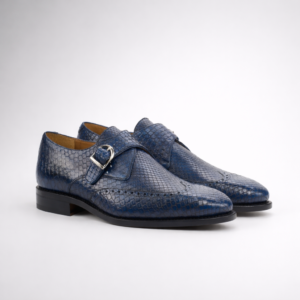
Genuine crocodile and alligator leather, for instance, features scales with a slight dome or pillow effect at their center—a three-dimensional quality that stamped leather simply cannot achieve. The borders between scales should show natural depth and shadow, not merely surface etching. Python leather displays irregular, almost artistic patterns where no two sections are identical, while ostrich leather features distinctive quill follicles with raised bumps that vary in size and spacing.
Texture and Touch: The Tactile Test
Authentic exotic leather possesses a distinctive feel that experienced hands can immediately recognize. Genuine exotic skins typically feel supple yet substantial, with a natural warmth that synthetics and embossed leathers lack. When you gently press genuine crocodile or alligator leather, it should yield slightly then return to its original shape, demonstrating the skin’s natural elasticity and the quality of its tanning process.
The edges and reverse side of the leather provide particularly revealing information. Authentic exotic leather will show fibrous texture on the reverse side—the suede-like flesh side of the skin. If you notice a fabric backing or uniform synthetic appearance underneath, this indicates either reconstituted leather or complete counterfeit material. Additionally, the edges of cut pieces should reveal the leather’s natural depth and layered structure, not a uniform synthetic composition.
Species-Specific Authentication Techniques
Crocodile and Alligator Leather Identification
Distinguishing genuine crocodilian leather requires attention to specific anatomical markers. Authentic crocodile leather features a distinctive umbilical scar—a pattern running down the