“`html
The Ultimate Guide to Authenticating Exotic Leather Goods: Expert Tips from Giuseppe Lombardi
Published on 2025-02-01 | Reading time: 6 minutes
Introduction
In the world of luxury fashion, few materials command the prestige and admiration of exotic leather goods. From the distinctive patterns of genuine crocodile skin to the refined texture of ostrich leather, these premium materials represent the pinnacle of craftsmanship and exclusivity. However, with the growing demand for luxury exotic leather accessories, the market has unfortunately seen a corresponding rise in counterfeit products that deceive even discerning buyers.
At Giuseppe Lombardi, we believe that understanding how to authenticate exotic leather goods is essential for anyone investing in these timeless pieces. Whether you’re considering your first luxury purchase or expanding an existing collection, knowing the hallmarks of genuine exotic leather protects your investment and ensures you’re acquiring pieces that will last generations. This comprehensive guide will equip you with the knowledge needed to distinguish authentic exotic leather from imitations, empowering you to make confident purchasing decisions.
Understanding the Visual Characteristics of Genuine Exotic Leather
The first line of defense in authenticating exotic leather goods lies in careful visual inspection. Genuine exotic leather possesses distinctive patterns and characteristics that are nearly impossible to replicate perfectly.
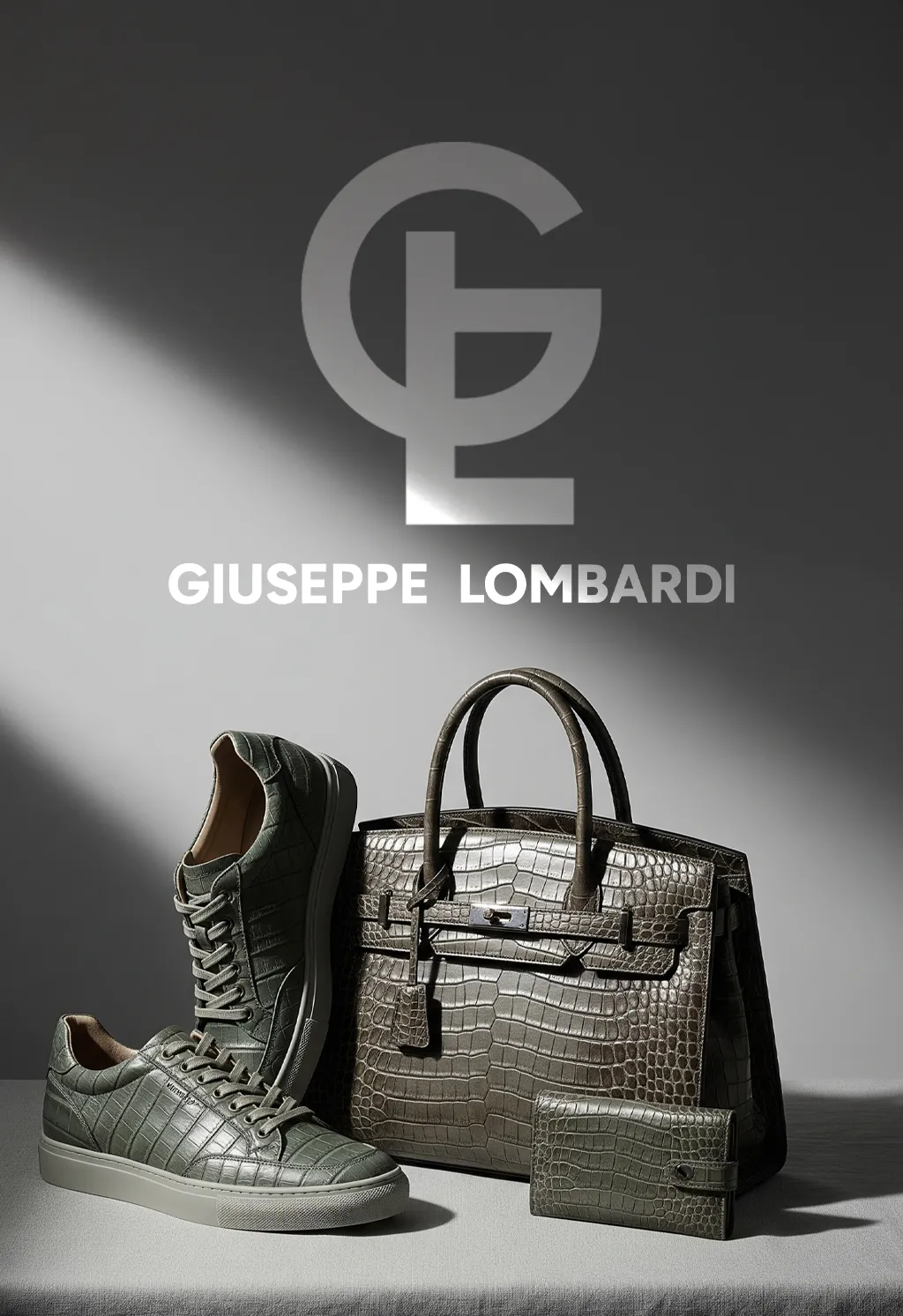
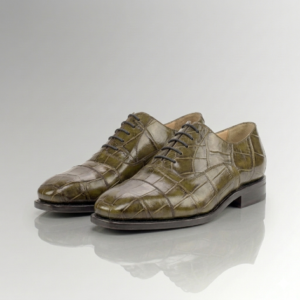
Crocodile and alligator leather displays a unique tile-like scale pattern that should be irregular and asymmetrical. Each scale will have subtle variations in size and shape, with natural imperfections that tell the story of the animal’s life. The umbilical scar—a distinctive pattern on the belly skin—should be present and irregular. Authentic crocodilian leather features a small dot or pore in the center of each scale, which is often absent in embossed imitations.
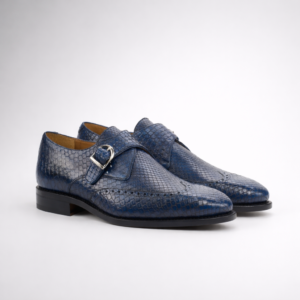
Python leather showcases dramatic, organic patterns with natural color variations throughout each scale. The diamond-shaped patterns should flow naturally without perfect repetition. Genuine python skin has a three-dimensional quality, with scales that you can actually feel rising from the surface. The edges of authentic python scales are slightly translucent when held up to light—a detail counterfeiters rarely replicate.
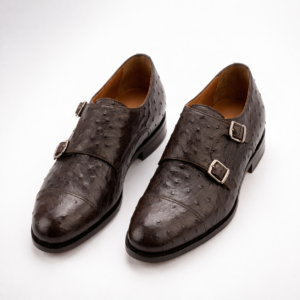
Ostrich leather is immediately recognizable by its distinctive quill follicles, which create a bumpy texture across the surface. These follicles should be randomly distributed, never in perfect rows or patterns. The quill bumps should feel substantial and permanent, not like embossing that could wear away over time. Between the quill areas, the leather should be incredibly soft and supple with a subtle natural grain.
The Touch Test: Tactile Indicators of Authenticity
While visual inspection is crucial, the tactile experience of genuine exotic leather provides equally important authentication clues. Luxury exotic leather possesses qualities that synthetic materials and embossed cow leather simply cannot replicate.
Authentic exotic leather should feel supple yet substantial in your hands. When you gently press your finger into the surface, genuine leather will spring back with natural elasticity, while imitations often feel either too stiff or too plasticky. The temperature of real exotic leather adjusts to ambient conditions—it feels cool to the touch initially but warms naturally with body heat, unlike synthetic materials that remain consistently cool or warm.
The texture of genuine exotic leather features natural irregularities. As you run your fingers across the surface, you should feel