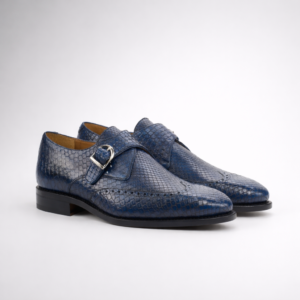
“`html
The Art and Science of Exotic Leather Tanning: From Raw Hide to Luxury
Published on 2025-01-17 | By Giuseppe Lombardi
Introduction
Behind every exquisite crocodile handbag, every luxurious python wallet, and every sophisticated alligator belt lies a centuries-old craft that combines ancient artisanal techniques with modern scientific precision. The tanning of exotic leather is a transformative process that converts raw animal hides into the supple, durable, and visually stunning materials that define luxury fashion. At Giuseppe Lombardi, we recognize that the quality of our exotic leather goods begins long before our master craftsmen cut their first pattern—it begins in the tannery, where science meets artistry.
Understanding how exotic leather is tanned not only deepens appreciation for these magnificent materials but also reveals why authentic luxury leather goods command premium prices. The tanning process is far more complex than most consumers realize, requiring specialized knowledge, expensive equipment, and significant time investment. This comprehensive guide will take you inside the fascinating world of exotic leather tanning, revealing the intricate steps that transform raw skins into the world’s most coveted luxury materials.
The Preparatory Phase: From Raw Hide to Ready Skin
The journey of exotic leather tanning begins immediately after the skin is removed from the animal. Time is of the essence during this initial phase, as improper handling can permanently damage even the finest skins. Exotic skins like crocodile, alligator, and python require significantly more careful treatment than traditional cattle hides due to their unique scale structures and delicate nature.
The first critical step is preservation, typically accomplished through salting or chilling. For exotic skins, preservation must be executed within hours to prevent bacterial growth that can damage the distinctive scale patterns that make these materials so desirable. Salt draws moisture from the skin while creating an inhospitable environment for decomposition, effectively pausing biological processes until the skin reaches the tannery.
Once at the tannery, the skin undergoes soaking and rehydration, a process that reverses preservation and prepares the hide for subsequent treatments. Exotic skins spend 12-24 hours in carefully temperature-controlled water baths with specific pH balances. This stage removes salt, blood, dirt, and other impurities while restoring the skin’s natural pliability. For Giuseppe Lombardi’s leather goods, only skins that pass rigorous quality inspections at this stage proceed to tanning.
The liming process follows, where skins are treated with alkaline solutions to remove hair, scales, and unwanted proteins. However, with exotic leathers like crocodile and alligator, artisans must carefully preserve the calcium deposits that give scales their distinctive raised texture. This delicate balance requires experienced technicians who understand the unique anatomy of each exotic species. Python skins, with their overlapping scale pattern, demand entirely different liming protocols to preserve their characteristic texture while removing the thin outer skin layer.
The Tanning Process: Chemical Transformation
After preparation, the actual tanning process begins—the chemical treatment that stabilizes the protein structure of the skin, rendering it resistant to decomposition, water damage, and bacterial growth. This transformation is where raw skin becomes leather. For exotic leathers, tanners employ various methods, each producing distinct characteristics in the finished material.