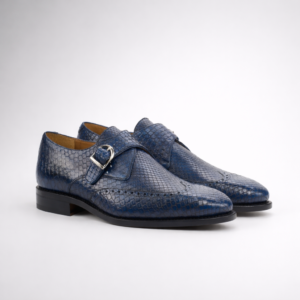
“`html
Alligator vs Crocodile Leather: The Ultimate Guide to Understanding Luxury Exotic Skins
Published: 2025-01-17 | Giuseppe Lombardi Luxury Leather Goods
When it comes to luxury exotic leather goods, few materials command the prestige and admiration of alligator and crocodile leather. To the untrained eye, these two magnificent skins may appear nearly identical, yet connoisseurs of fine leather goods understand that significant differences distinguish them. At Giuseppe Lombardi, we believe that understanding these nuances is essential for making an informed investment in luxury accessories that will last a lifetime. Whether you’re considering a handcrafted briefcase, an elegant handbag, or a sophisticated wallet, knowing the distinction between alligator and crocodile leather will enhance your appreciation of these extraordinary materials and help you select the perfect piece for your collection.
The Fundamental Differences: Species and Origin
The first distinction between alligator and crocodile leather lies in their biological classification and geographic origins. Alligators are primarily found in freshwater environments in the southeastern United States and China, with the American alligator (Alligator mississippiensis) being the most sought-after species for luxury leather goods. Crocodiles, by contrast, inhabit a broader range of territories across Africa, Australia, Southeast Asia, and the Americas, thriving in both freshwater and saltwater environments.
The most prized crocodile species for leather production include the Nile crocodile (Crocodylus niloticus), the saltwater crocodile (Crocodylus porosus), and the American crocodile (Crocodylus acutus). This geographic diversity impacts not only availability but also the subtle variations in skin texture and quality. At Giuseppe Lombardi, we carefully source our exotic leathers from certified farms that adhere to strict ethical and sustainability standards, ensuring that every piece meets our exacting requirements for quality and responsible production.
Understanding the provenance of your leather is crucial, as American alligator leather is often considered the pinnacle of luxury exotic skins, commanding premium prices due to its superior quality, consistent texture, and the stringent regulations governing its production in Louisiana and Florida.
Visual and Textural Characteristics: Identifying the Differences
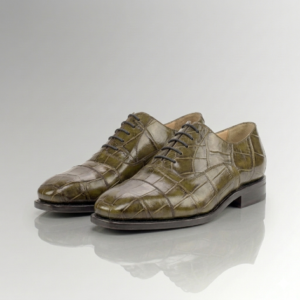
The most discernible differences between alligator and crocodile leather appear in their scale patterns and overall texture. Alligator skin features a more uniform, symmetrical scale pattern, particularly on the belly portion, which is the most valuable part of the hide. The scales on American alligator leather are characterized by their smooth, almost tile-like appearance with a distinctive umbilical scar running vertically down the center of the belly. This symmetry and the absence of pores create an exceptionally refined, elegant aesthetic that many luxury brands prefer.
Crocodile leather, conversely, displays a more irregular scale pattern with noticeable follicle pores, also known as sensory pits, which appear as small dots in the center of each scale. These pores serve a biological function for the crocodile, allowing it to detect pressure changes in water. While some consider these pores a distinguishing characteristic that adds to the skin’s natural beauty, others prefer the cleaner look of alligator leather. The scale patterns on crocodile leather tend to be more varied and less uniform than alligator, creating a more wild and organic appearance.
The texture also differs significantly between the two. Alligator leather typically feels softer and more pliable, with a lux