“`html
How to Authenticate Exotic Leather Goods: A Complete Expert Guide
Published on 2025-01-18 | By Giuseppe Lombardi Luxury Leather Experts
Introduction: The Importance of Authentication in Luxury Exotic Leather
In the world of luxury fashion, exotic leather goods represent the pinnacle of craftsmanship, exclusivity, and timeless elegance. From crocodile handbags to python wallets and ostrich belts, these pieces command premium prices and hold their value over time. However, the luxury market’s growth has unfortunately been accompanied by an increase in counterfeit products that can deceive even discerning buyers.
At Giuseppe Lombardi, we understand that purchasing exotic leather goods is not merely a transaction—it’s an investment in quality, heritage, and artistry. Whether you’re considering a crocodile briefcase, an alligator wallet, or a stingray accessory, knowing how to authenticate genuine exotic leather is essential to ensuring you receive the exceptional quality you’re paying for. This comprehensive guide will equip you with the knowledge to distinguish authentic exotic leather from imitations, protecting both your investment and your personal style.
Understanding the Hallmarks of Genuine Exotic Leather
Natural Irregularities Are Your First Clue
One of the most fundamental principles in authenticating exotic leather is understanding that nature is never perfectly uniform. Genuine exotic skins display subtle variations in scale size, pattern distribution, and texture that are virtually impossible to replicate artificially. When examining a crocodile or alligator piece, observe the scales closely—each should be slightly different in size and shape, creating an organic, asymmetrical pattern across the surface.
Counterfeit exotic leather, typically made from embossed cow leather or synthetic materials, reveals itself through repetitive, mechanically perfect patterns. If you notice that the scale pattern repeats identically across different sections of the item, or if every scale appears uniform in size and depth, you’re likely looking at an imitation. Authentic exotic leather celebrates nature’s imperfections, and these irregularities actually enhance the uniqueness and value of each piece.
The Touch Test: Texture Tells the Truth
Texture provides invaluable information when authenticating exotic leather goods. Genuine crocodile and alligator leather possesses a distinctive feel—slightly cool to the touch initially, with scales that have natural depth and dimension you can feel with your fingertips. The leather should feel supple yet substantial, with a certain resistance that comes from the natural density of the skin.
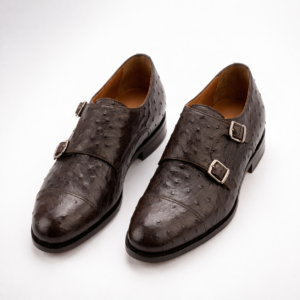
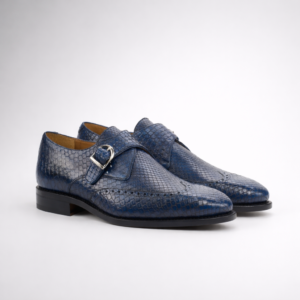
Python leather, by contrast, offers a completely different tactile experience, with raised scales that create a three-dimensional surface texture. Authentic python skin has scales that feel individually distinct, with natural edges that aren’t uniformly smooth. Ostrich leather is immediately recognizable by its characteristic quill follicles, which create a bumpy texture across the surface. These quills should be irregularly spaced and feel genuinely raised, not simply printed or embossed onto the surface.
Examining Construction and Craftsmanship Details
Pore Structure and Scale Configuration
Delving deeper into authentication requires examining the pore structure of the leather. In genuine crocodile and alligator skins, each scale contains tiny pores that are visible under close inspection—these are the natural hair follicles present in the living animal’s skin. These p