“`html
The Art of Exotic Leather Tanning: From Raw Hide to Luxury Masterpiece
Published on 2025-01-16 | Giuseppe Lombardi Luxury Leather Goods
Introduction: The Alchemy Behind Luxury Leather
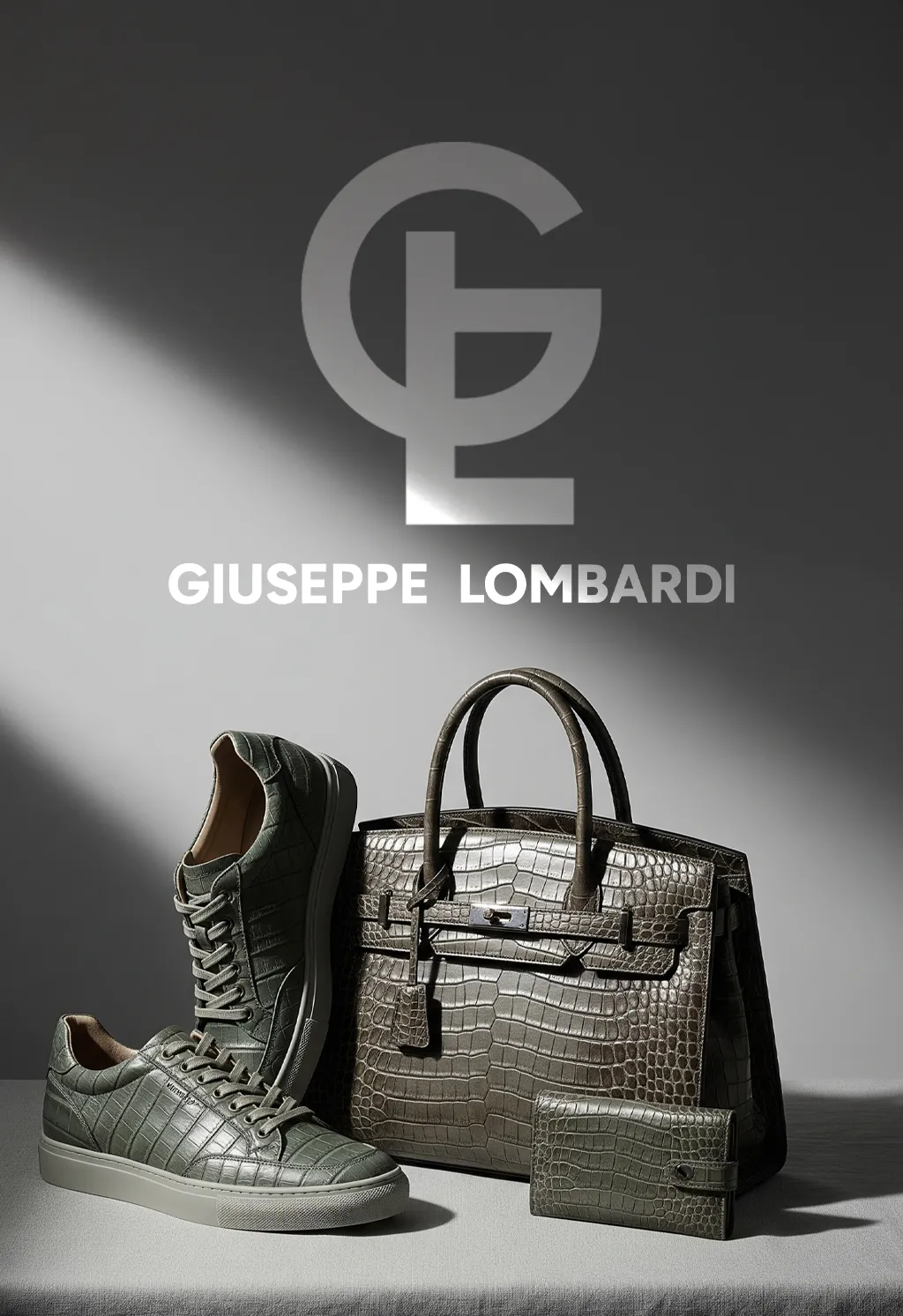
When you hold a Giuseppe Lombardi crocodile handbag or alligator wallet, you’re experiencing the culmination of an ancient craft that transforms raw, perishable hides into eternal works of art. The tanning process for exotic leathers represents one of the most sophisticated techniques in luxury goods manufacturing—a delicate balance between traditional craftsmanship and modern innovation that requires exceptional skill, patience, and precision.
Unlike conventional leathers, exotic skins such as crocodile, alligator, python, and ostrich demand specialized tanning methods that preserve their distinctive characteristics while ensuring durability that can last generations. This transformation from biological material to luxury leather is nothing short of remarkable, involving numerous stages that can take several weeks to complete. Understanding this meticulous process deepens appreciation for the extraordinary quality of genuine exotic leather goods and explains why they represent the pinnacle of luxury accessories.
The Initial Stages: Preparation and Preservation
The journey from exotic hide to luxurious leather begins immediately after the skin is harvested. Time is of the essence, as preservation must commence within hours to prevent degradation. The raw skins are first cleaned meticulously to remove any flesh, fat, and tissue that remains attached—a process called fleshing that requires careful attention to avoid damaging the delicate scale patterns that make exotic leathers so distinctive.
Following cleaning, the hides undergo a crucial preservation stage called curing. For exotic leathers, this typically involves either wet-salting or brine-curing, where the skins are saturated with salt to halt bacterial growth and prevent decomposition. Crocodile and alligator hides, with their thick, robust scales, respond particularly well to wet-salting, which helps maintain the skin’s natural moisture balance while inhibiting decay. This preservation phase can last anywhere from 24 to 48 hours and is critical for maintaining the structural integrity of the hide.
Once preserved, the hides undergo soaking to rehydrate them and remove the salt along with any remaining impurities. This soaking process, conducted in large drums with specific water temperatures and pH levels, prepares the skin for the intensive tanning stages ahead. For Giuseppe Lombardi products, this preliminary phase is conducted with exceptional care, as any shortcuts taken here will compromise the final leather’s quality, appearance, and longevity.
The Tanning Process: Chemical Transformation
Tanning is the transformative stage where perishable skin becomes durable leather through chemical stabilization of the collagen proteins within the hide. For exotic leathers, two primary tanning methods dominate: chrome tanning and vegetable tanning, each offering distinct advantages depending on the desired characteristics of the final product.
Chrome tanning, the most common method for exotic leathers, uses chromium salts to bind with the collagen fibers, creating leather that is supple, water-resistant, and highly durable. This process is particularly suitable for crocodile and alligator hides, as it preserves the natural luster of the scales while allowing the leather to remain flexible enough for handbag construction and other applications. The chrome tanning process typically takes 24 hours but results in leather that can withstand decades of use while maintaining