# The Ultimate Guide to Authenticating Exotic Leather Goods: Protect Your Luxury Investment
## Introduction
In the world of luxury fashion, few materials command as much prestige and value as exotic leather. From the distinctive scales of genuine python to the intricate patterns of crocodile skin, these rare materials represent the pinnacle of craftsmanship and sophistication. However, with prices ranging from hundreds to tens of thousands of dollars, the exotic leather market has unfortunately attracted its share of counterfeiters and dishonest sellers. For discerning collectors and fashion enthusiasts investing in Giuseppe Lombardi pieces or other luxury exotic leather goods, knowing how to authenticate these materials is not just valuable—it’s essential.
Whether you’re purchasing a stunning crocodile handbag, an alligator briefcase, or python leather boots, understanding the telltale signs of authenticity can save you from costly mistakes and ensure your investment retains its value. In this comprehensive guide, we’ll explore the professional techniques and insider knowledge that separate genuine exotic leather from convincing fakes.
## Understanding the Fundamental Characteristics of Genuine Exotic Leather
Authentic exotic leather possesses distinctive characteristics that are incredibly difficult to replicate. The first and most important aspect to examine is the natural irregularity of the material. Genuine exotic leather will never display perfectly uniform patterns. Each crocodile or alligator hide features unique scale arrangements, sizes, and shapes that vary across the surface—nature simply doesn’t produce identical patterns. If you notice absolute symmetry or repetitive patterns, you’re likely looking at embossed cow leather or synthetic material.
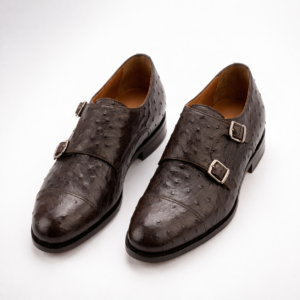
The texture tells another crucial story. Run your fingers gently across genuine exotic leather, and you’ll feel the natural topography of the scales or grain. Crocodile and alligator leather have raised, bumpy scales with a pronounced three-dimensional quality. Python leather features a softer, more supple feel with visible scale edges. Ostrich leather is immediately recognizable by its characteristic quill follicles that create a bumpy texture. Counterfeit versions often feel flat or artificially textured, lacking the organic depth of authentic material.
Temperature response also differentiates real from fake. Genuine exotic leather will feel cool to the touch initially and then gradually warm to your body temperature. Synthetic materials tend to feel either consistently warm or artificially cool and don’t adapt to ambient temperature in the same organic way.
## Examining Scale Patterns and Structural Details
For crocodile and alligator leather specifically, the scale pattern serves as nature’s fingerprint. Authentic crocodilian leather features scales with a small pore in the center—this is where sensory organs were located on the living animal. These pores should appear randomly distributed and slightly irregular in size. Stamped or embossed leather trying to mimic this effect will show unnaturally uniform pore placement or may omit them entirely.
The belly scales of crocodiles are particularly prized and command premium prices. These scales should display a tile-like pattern with subtle variations in size, and the border between scales should show natural webbing or fine lines. On genuine pieces, the scales near the edges of a product may be cut off mid-scale, showing that the leather came from a complete hide rather than being artificially created.
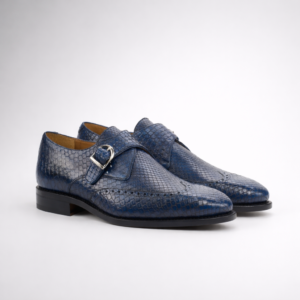
Python leather authentication requires a different eye. Genuine python skin displays distinctive diamond-shaped patterns with natural color variations within each scale. The scale edges should be clearly defined and slightly raised. A key identifier is that python scales reflect light differently depending on the viewing angle due to their natural structure—this iridescent quality is nearly impossible to replicate artificially.
For ostrich leather, examine the quill follicle distribution. These should appear random and natural, with slight variations in size and spacing. The area around each follicle should show subtle, natural creasing. Fake ostrich leather often has perfectly regular bump patterns that look machine-made.
## Professional Authentication Techniques
When investing in a significant exotic leather piece from Giuseppe Lombardi or comparable luxury brands, several professional-level checks can provide additional confidence. First, examine the edges and backing of the leather. Genuine exotic leather will show consistent material throughout—the exotic pattern isn’t just on the surface but extends through the hide’s thickness. Cut edges should reveal the leather’s genuine structure rather than a thin surface layer over a different backing material.
The stitching and construction quality also provide important clues. Luxury brands using authentic exotic leather invest in exceptional craftsmanship because the material demands it. Look for tight, even stitching with high-quality thread, often in colors that complement the leather. The number of stitches per inch should be consistent and professional. Hardware should be substantial, well-finished, and properly branded.
Documentation matters immensely in