“`html
The Complete Guide to Authenticating Exotic Leather Goods: Expert Tips from Giuseppe Lombardi
Published on 2025-01-08 | By Giuseppe Lombardi Luxury Leather Experts
Introduction
In the world of luxury fashion, few materials command the prestige and price point of genuine exotic leather. From the distinctive patterns of crocodile skin to the supple texture of python leather, these rare materials represent the pinnacle of craftsmanship and exclusivity. However, with luxury comes the inevitable challenge of counterfeiting. The exotic leather market has seen a significant rise in sophisticated imitations that can deceive even experienced collectors.
At Giuseppe Lombardi, we’ve dedicated decades to mastering the art of exotic leather craftsmanship, and part of our commitment to our clients involves educating them about authentication. Whether you’re investing in your first luxury exotic leather handbag or expanding an established collection, understanding how to verify authenticity is essential. This comprehensive guide will equip you with the knowledge to confidently distinguish genuine exotic leather from cleverly crafted imitations, protecting both your investment and ensuring you’re acquiring true luxury.
Understanding Scale Patterns and Natural Characteristics
The most fundamental aspect of authenticating exotic leather lies in examining the scale patterns and natural characteristics unique to each species. Genuine exotic leather displays irregular, asymmetric patterns that nature creates—something that’s virtually impossible to replicate perfectly in embossed leather or synthetic materials.
When examining crocodile or alligator leather, look for the umbilical scar, typically located in the center of the belly hide. This marking, where the crocodilian was attached to its egg yolk, appears as a distinctive pattern of irregular scales and is a hallmark of authenticity. Additionally, genuine crocodile skin features a small sensory pore in the center of each scale, visible under close inspection. These pores, part of the crocodile’s integumentary sensory organ, are absent in embossed cow leather or synthetic alternatives.
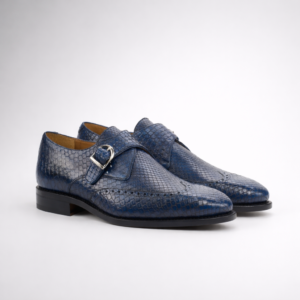
Python leather authentication requires attention to the diamond-shaped scale patterns. Genuine python skin displays variation in scale size throughout the hide, with natural color gradations and occasional imperfections. The scales should have depth and dimension, creating a three-dimensional texture rather than the flat appearance of printed or embossed patterns.
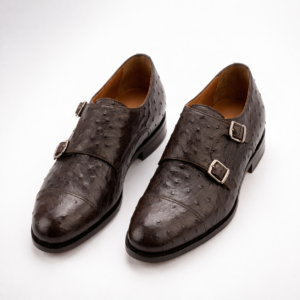
For ostrich leather, the telltale sign is the quill follicles—the distinctive bumps where feathers once grew. On authentic ostrich leather, these follicles are irregularly spaced and vary in size, creating an organic pattern. Counterfeit versions often display overly uniform bumps that appear stamped or embossed rather than naturally occurring.
The Touch and Feel Test: Texture and Flexibility
Experienced collectors and leather experts know that touch reveals truths that sight alone cannot. Genuine exotic leather possesses distinctive tactile qualities that counterfeiters struggle to replicate, making the touch test an invaluable authentication tool.
Authentic exotic leather should feel supple yet substantial, with a natural warmth that responds to your hand temperature. When you gently press genuine crocodile or alligator leather, it should yield slightly before returning to its original shape, demonstrating the natural oils and collagen structure within. Synthetic materials or heavily coated leathers feel rigid, plastic-like, or excessively stiff.
The flexibility test is particularly revealing. G