“`html
Python Leather Fashion Trends: The Ultimate Guide to This Exotic Luxury
Published on 2025-01-22 | By Giuseppe Lombardi
Introduction
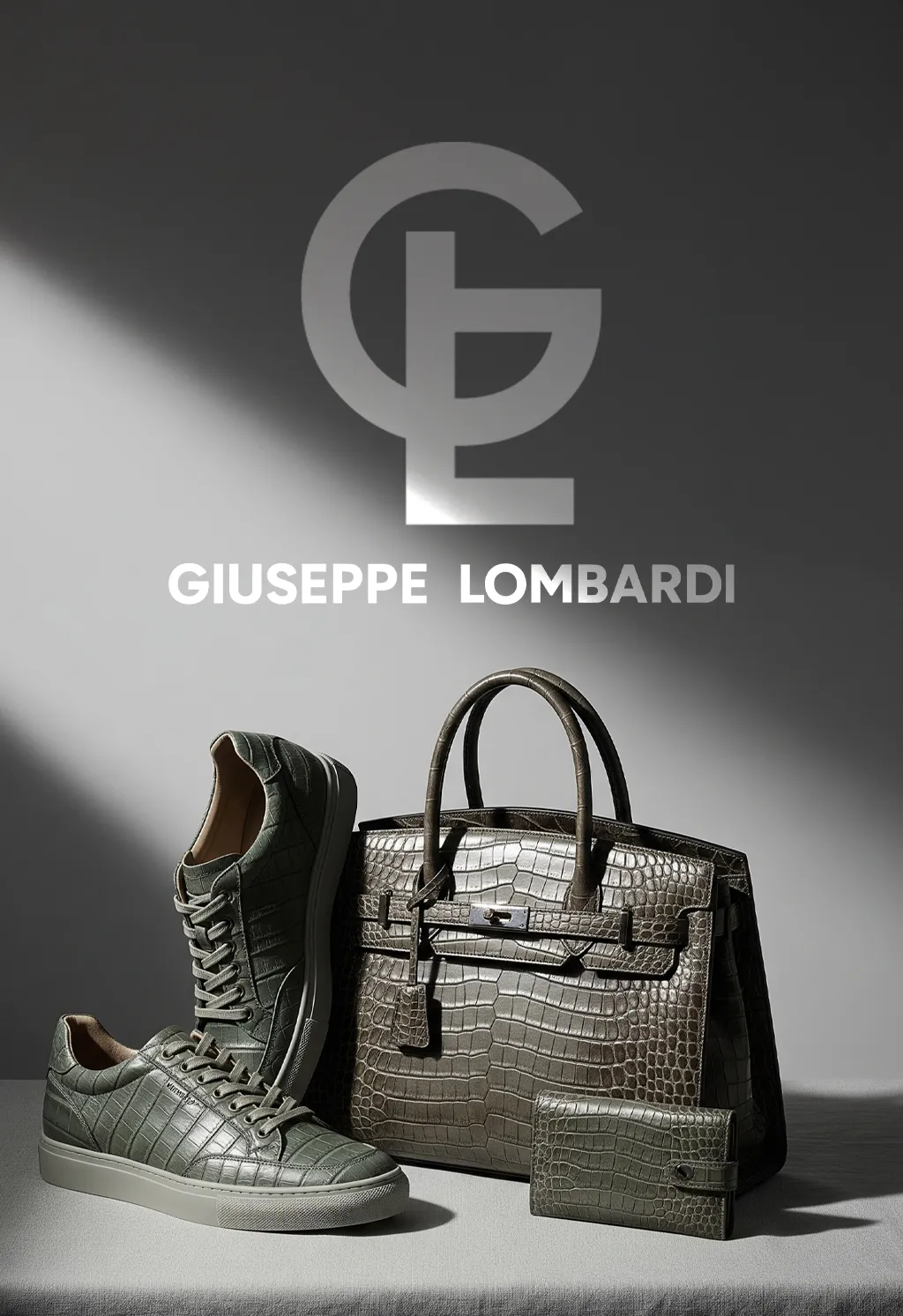
Python leather has emerged as one of the most sought-after exotic materials in luxury fashion, captivating designers and discerning clientele with its distinctive scale patterns and unparalleled elegance. From high-fashion runways to exclusive boutiques, python skin continues to define sophistication and luxury in ways that few other materials can match. At Giuseppe Lombardi, we’ve witnessed firsthand how python leather has evolved from a niche exotic into a mainstream luxury staple, commanding attention in handbags, accessories, and footwear collections worldwide.
The allure of python leather lies not only in its visual drama but also in its remarkable versatility. Each skin tells its own story through unique natural patterns, ensuring that no two pieces are ever identical. As we navigate through 2025, python leather fashion trends continue to push boundaries, blending traditional craftsmanship with contemporary design sensibilities. Whether you’re a seasoned collector or exploring exotic leathers for the first time, understanding these trends will help you make informed investment decisions in timeless luxury pieces.
The Timeless Appeal of Python Patterns in Contemporary Design
Python leather’s distinctive diamond-shaped scales create an instantly recognizable texture that has become synonymous with luxury. Current fashion trends showcase python in increasingly innovative ways, moving beyond traditional applications into unexpected territories. Designers are now featuring python leather in everything from structural handbags to fluid evening wear accessories, demonstrating the material’s remarkable adaptability.
One of the most significant trends we’re observing is the preference for natural python coloration. While dyed python has its place, today’s luxury consumers increasingly appreciate the organic beauty of natural tones—from creamy whites and subtle grays to rich browns and blacks. These authentic colorations highlight the skin’s inherent patterns and create pieces that transcend seasonal trends, offering lasting value and timeless appeal.
The size and placement of python scales have also become crucial design considerations. Fashion houses are carefully selecting sections of python skin to maximize visual impact, with larger belly scales featured prominently on handbag fronts and smaller back scales used for textural contrast. This thoughtful approach to pattern placement elevates python leather goods from mere accessories to wearable art pieces that command attention.
Color Innovation and Finishing Techniques
While natural python remains popular, the luxury market has also embraced bold color experimentation. Contemporary finishing techniques have revolutionized what’s possible with python leather, allowing artisans to create stunning visual effects while preserving the material’s natural texture and durability. Giuseppe Lombardi’s master craftsmen employ specialized techniques that enhance python’s natural beauty without compromising its integrity.
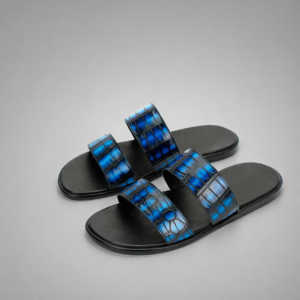
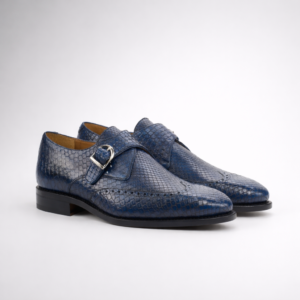
Gradient and ombré effects have emerged as particularly sophisticated treatments for python leather. These techniques involve hand-painting skills that gradually transition from one hue to another, creating depth and movement across the scale pattern. Deep jewel tones—emerald greens, sapphire blues, and ruby reds—are particularly trending, offering statement-making alternatives to classic neutrals while maintaining an elegant, refined aesthetic.
Metallic finishes represent another exciting frontier in python leather fashion. Subtle metallic sheens in gold, silver, rose gold, and bronze add contemporary glamour to python accessories, making them perfect for evening occasions while remaining versatile enough for daytime elegance. These finishes are applied through specialized processes that penetrate