# The Ultimate Guide to Authenticating Exotic Leather Goods: Expert Tips from Giuseppe Lombardi
## Introduction
In the world of luxury fashion, few materials command as much prestige and value as exotic leathers. From the distinctive scales of python to the refined texture of alligator, these premium materials represent the pinnacle of craftsmanship and exclusivity. However, with the rising demand for exotic leather goods comes an unfortunate increase in counterfeit products flooding the market. Whether you’re investing in your first crocodile handbag or adding to an extensive collection, knowing how to authenticate exotic leather goods is essential for protecting your investment and ensuring you’re purchasing genuine luxury items.
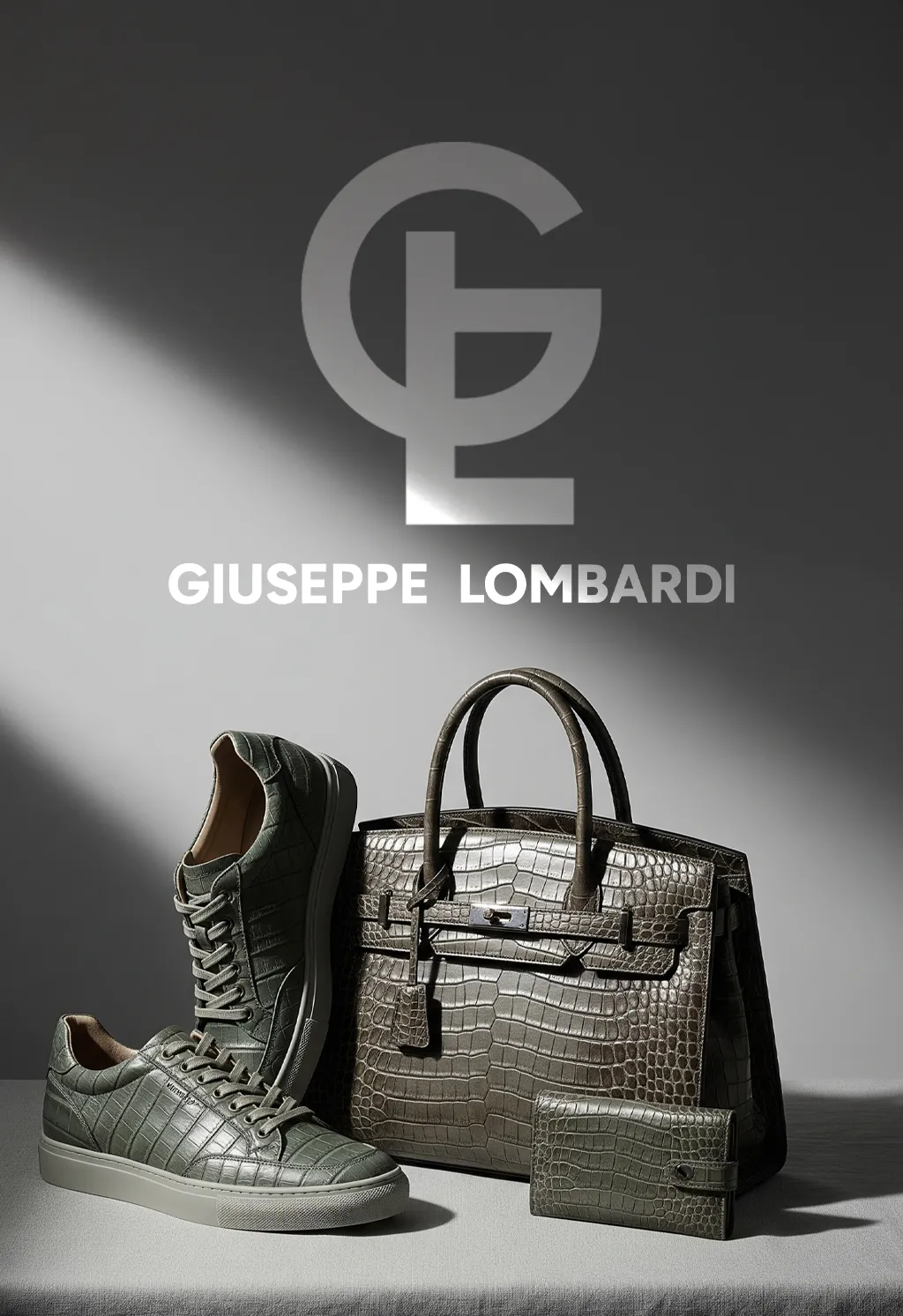
At Giuseppe Lombardi, we’ve dedicated decades to perfecting the art of exotic leather craftsmanship, and we understand the intricate details that distinguish authentic pieces from imitations. This comprehensive guide will equip you with the knowledge to confidently identify genuine exotic leather goods and avoid costly mistakes in your luxury purchases.
## Understanding the Hallmarks of Authentic Exotic Leather
### Visual Patterns and Scale Structure
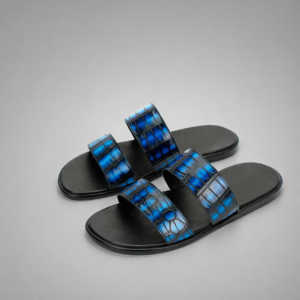
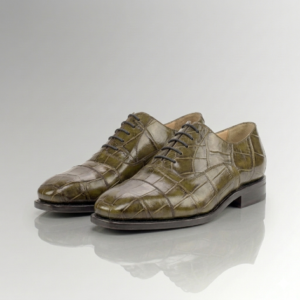
The first step in authenticating exotic leather is understanding that nature never repeats itself. Genuine exotic leathers display irregular, asymmetrical patterns that vary across the entire surface of the material. Crocodile and alligator leather, for instance, feature scale patterns where no two tiles are identical in size or shape. The scales should flow naturally, with subtle variations in dimension and slight imperfections that prove organic origin.
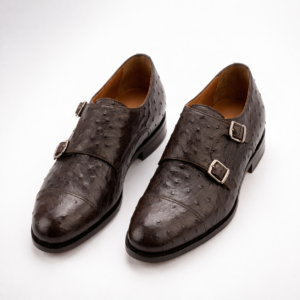
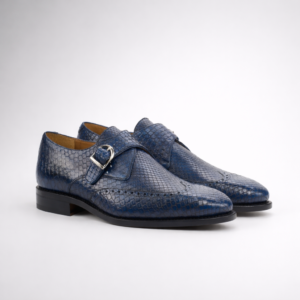
Counterfeit exotic leathers often reveal their inauthenticity through repetitive patterns. Mass-produced embossed leather attempts to mimic exotic textures by stamping patterns onto cowhide or synthetic materials, but these patterns repeat uniformly—a telltale sign of fakery. When examining a piece, look for these natural inconsistencies. Authentic python leather will show variation in scale size throughout the skin, while genuine ostrich leather displays follicle patterns that are never perfectly symmetrical or evenly spaced.
### Texture and Feel Assessment
Touch provides invaluable information when authenticating exotic leather goods. Genuine exotic leather possesses a distinctive tactile quality that synthetic materials cannot replicate. Crocodile and alligator leather feels firm yet supple, with a subtle warmth that develops as you handle it. The scales should have a three-dimensional quality—you should be able to feel the slight elevation of each scale and the natural grooves between them.
Python leather offers a smooth, silky texture with raised scales that are noticeably more prominent than embossed imitations. Authentic stingray leather is unmistakable—it’s remarkably hard and rigid, with a pebbly texture and a distinctive central ridge of particularly hard “pearls.” If the material feels uniformly soft, plastic-like, or has an artificial coating, you’re likely dealing with a counterfeit or imitation leather.
## Technical Authentication Methods
### Edge Finishing and Construction Quality
One of the most reliable indicators of authenticity lies in the edge finishing and overall construction quality. Luxury brands like Giuseppe Lombardi invest considerable resources in edge treatment, ensuring that cut leather edges are meticulously painted, burnished, or turned to create a flawless finish. Examine the edges carefully—authentic exotic leather goods will show multiple layers of edge paint, perfectly applied without bubbling or cracking.
The way a piece is constructed also reveals authenticity. Genuine luxury exotic leather goods feature precise stitching with consistent tension throughout. The thread should be high-quality, often waxed, and the stitch count per inch should be uniform. Pay attention to how pieces are joined—authentic exotic leather items typically use saddle stitching or other hand-stitching techniques that create durability and aesthetic appeal.
### Hardware and Branding Details
Authentication extends beyond the leather itself to the hardware and branding elements. Luxury exotic leather goods feature premium metal hardware—often solid brass or gold-plated components—that feels substantial and operates smoothly. Zippers should glide effortlessly, clasps should close with a satisfying click, and buckles should feel weighted and substantial.
Examine all branding elements with scrutiny. Authentic pieces feature logos, stamps, and engravings that are crisp, perfectly aligned, and proportional. The brand name should be spelled correctly (surprisingly, many counterfeits contain spelling errors), and any serial numbers or authenticity stamps should be present and correctly formatted. Giuseppe Lombardi pieces, for example, include specific authentication markers and serial numbers that can be verified through official channels.
## Professional Verification and Documentation
### Certificates of Authenticity and CITES Documentation
When purchasing exotic leather goods, particularly those made from protected species, proper documentation is not just an authentication